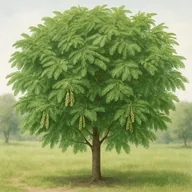
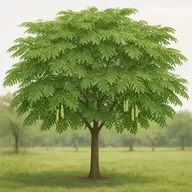
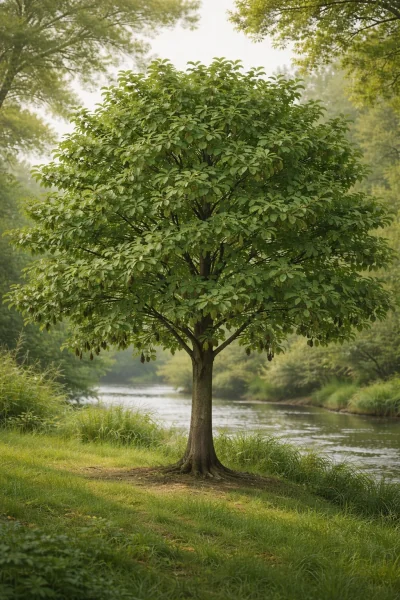
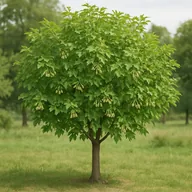
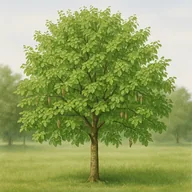
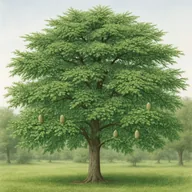
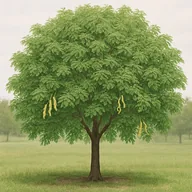
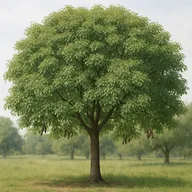
European beech
European beech
Fagus sylvatica
📋Quick Facts
Height
25.0-35.0m
Spread
20.0-25.0m
Care Level
👍 Moderate
Some experience helpful
Water
💧💧 Average watering
Every "7-10" days
Hardiness
Zone 6
About
Plant beech bare-root from November to March, in well-drained soil, in sun or part shade — it's the classic UK formal-hedge plant and a magnificent woodland specimen tree. Beech is very hardy (RHS H6) and tolerates almost any chalky or loamy soil except waterlogged or heavy clay. The signature feature for hedging: marcescence — beech holds its dead copper-brown leaves through winter (the spring growth pushes them off), giving year-round screening without needing an evergreen. Clip once a year in August for a perfect dense hedge. Slow first 2 years, then 30 cm per year once established. Green beech is the standard; copper (purple) beech (F. sylvatica Purpurea) is the dark-leaved ornamental form, often used as occasional accents within a green beech hedge. Doesn't tolerate waterlogged soil — that's the main UK failure mode.
How to grow european beech
- 1
Pick green or copper beech
Green beech (Fagus sylvatica species form): the classic UK formal hedge, fresh green leaves in spring, copper-brown in autumn, holds leaves through winter. The functional choice — cheaper and more available. Copper (purple) beech (F. sylvatica Purpurea / Atropurpurea): dark purple-bronze leaves all summer, deep copper-brown in winter. Used as occasional accents in a green hedge for variety, or as standalone specimens. Fern-leaved beech (F. sylvatica Aspleniifolia): cut-leaf foliage, ornamental specimen tree only — not for hedging. For hedging, green beech is the safe choice.
- 2
Plant in well-drained soil — NOT clay
Beech's main failure mode in UK gardens is waterlogged or heavy clay soil. It wants free-draining loam or chalk; even improved clay struggles. Test before planting: dig a 60 cm hole, fill with water, leave 24 hours. If still standing water, beech won't thrive — plant hornbeam (Carpinus betulus) instead, which looks similar and tolerates heavy soils. Beech tolerates almost any pH provided drainage works.
- 3
Plant bare-root in winter
November to March while dormant. Bare-root whips (60–90 cm) are very cheap (50p–£2 each) and establish faster than container plants for hedging. Spacing for hedges: 30 cm apart for a dense fine hedge, 45 cm for a more vigorous structure. For specimen trees: 5–8 m clear space; beech becomes a large tree (15–30 m) over decades. Water in deeply.
- 4
Allow slow establishment
First 2 years are slow — beech puts energy into roots before visible top growth. Don't despair if the hedge looks ragged in year 1 or 2; year 3 onwards it powers up. Mulch with leaf-mould or garden compost in a strip along the planted row each spring to conserve moisture and feed. Water through dry summers in the first 2 years; established beech tolerates drought.
- 5
Trim once a year in August
The classic UK beech hedge regime. August is the only clip needed. Earlier cuts disturb nesting birds and remove the spring flush; later cuts leave soft regrowth vulnerable to winter cold. Use shears or a powered hedge trimmer, taking the new growth back to just above the previous year's cuts. A neat batter (slight inward slope from base to top) keeps the lower parts well-furnished with leaves.
- 6
Welcome the marcescence — don't worry about brown leaves
Beech's signature winter trick. Unlike most deciduous plants, beech retains its dead copper-brown leaves through winter — a phenomenon called marcescence. The new spring growth pushes them off in March–April. This is feature, not failure: the brown leaves give year-round screening, attractive winter texture, and protect emerging buds from frost damage. Don't try to remove the brown leaves; let them fall naturally in spring.
- 7
Grow a beech specimen tree only if you have space
Beech becomes a massive tree — 20–30 m tall, 15 m crown spread, over 100–200 years. Don't plant a single beech in a small garden; it will dominate within 20 years and outlive everyone alive when planted. For specimen culture: 10 m clear space minimum, deep well-drained soil, no overhead competition. Beech avenues are stunning but suit estate-scale plantings only.
- 8
Watch for honey fungus (the main long-term threat)
Honey fungus (Armillaria mellea) is the main UK long-term killer of established beech trees. Symptoms: leaves yellowing early, branches dying back, honey-coloured mushrooms at the base in autumn. No cure: affected trees usually die within 5–10 years of infection. Prevention: keep beech vigorous (mulch, no compaction), don't plant adjacent to known honey-fungus sites, plant resistant species (yew, holly) in known infected areas. Hedges are less vulnerable than specimen trees.
Common questions
Pest Resilience
Few significant pests; beech bark disease and woolly beech aphid occasionally.
Visual Characteristics
Flowers
Blooms in Spring
Fruits
Harvest: Autumn / fall
The european beech year in your garden
How to Propagate
🦋Wildlife & Garden Ecology
Monitor for these pests and treat early if spotted
Hardiness Zones
USDA 5–6 equivalent