Chervil
Chervil
Anthriscus cerefolium
📋Quick Facts
Height
0.3-0.5m
Spread
0.2-0.3m
About
Sow chervil direct from March to September, in part shade in moist soil — it's a hardy annual/biennial that loves cool damp conditions and bolts straight to flower in heat or full sun. Chervil is hardy (RHS H6) — sown in late summer it overwinters as small plants and gives an early-spring flush, while spring-sown chervil crops from May to early summer before bolting. Don't transplant — long taproot resents disturbance; sow direct or use deep modular cells. Pick young feathery foliage continuously for the delicate aniseed-parsley flavour that defines French cooking — chervil is one of the classic fines herbes alongside parsley, tarragon, and chives. Use fresh always — chervil loses flavour completely when dried, and even cooking destroys the delicate aroma. Add at the very end of cooking, just before serving.
How to grow chervil
- 1
Sow direct, not in modules
Chervil has a long taproot and resents transplanting. Sow seed direct where you want the plants to grow, in moist soil. If you must start indoors, use deep root-trainer cells (10+ cm deep) and plant out before roots reach the bottom. Standard module trays don't give enough depth — transplants bolt to flower within 2 weeks.
- 2
Sow successionally, March to September
Chervil bolts quickly in heat — successional sowing is the only way to keep tender foliage going. Three windows for the best supply: (1) Early spring sowings (March–April) for May–June cropping. (2) Skip the hot midsummer months (June–early August) — chervil bolts immediately. (3) Late summer sowings (mid-August–September) for autumn cropping AND overwintered plants that crop early next spring (March–April).
- 3
Plant in part shade and moist soil
Chervil's defining preference: cool, damp, part shade. Full sun + dry soil = instant bolting and tough bitter leaves. Ideal positions: north-facing borders, woodland edges, under deciduous shrubs (after their leaves emerge), shady allotment corners. Moisture-retentive soil enriched with garden compost. Tolerates clay if not waterlogged.
- 4
Sow shallow and thin
Surface-sow or barely cover seed (1 cm max — chervil needs light to germinate). Germination is slow for chervil — 14–21 days at 10–15°C, slower in cold soil. Be patient before assuming the seed has failed. Thin seedlings to 20 cm apart when they have 3–4 true leaves.
- 5
Water consistently
Chervil bolts in dry conditions. A weekly soak in dry spells keeps the leaves tender and the plant in leaf-production mode. Mulch with leaf-mould or fine compost in spring to conserve moisture. Pot-grown chervil needs daily watering in summer.
- 6
Pick continuously from 6 weeks
From 6 weeks after sowing, pick whole stems just above a side-shoot rather than picking individual leaves. The plant branches and re-grows. Strongest flavour is on the youngest growth — pick the tips, leave the older lower leaves which get tough and bitter. Continuous picking + watering = continuous fresh foliage until the plant bolts.
- 7
Use fresh, never dried
The most important chervil rule. Chervil's delicate aniseed-parsley flavour is in volatile oils that fade dramatically with drying — dried chervil tastes of nothing. Even cooking destroys the flavour — add chervil at the very end, after the heat is off, just before serving. Classic uses: omelettes, fish, asparagus, herb butter, fines herbes mix (with parsley, tarragon, chives). Chop just before adding.
- 8
Let some plants flower for self-seeding
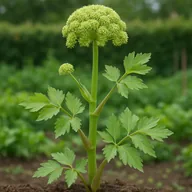
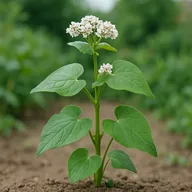
Chervil produces small white umbel flowers when it bolts. Let the late-summer/early-autumn plants flower and self-seed — chervil establishes self-seeding colonies in shady corners (like wild chervil naturally does in UK woodland). The self-sown seedlings appear the following spring and give the easiest, most reliable continuous chervil supply. Cut flower stems before seed sets if you want to limit spread.
Common questions
Pest Resilience
Few pest issues; may attract some aphids but generally trouble-free.
Visual Characteristics
Culinary
Omelettes, cream sauces, soups, salad dressing, fines herbes, fish dishes
The chervil year in your garden
How to Propagate
Hardiness Zones
USDA 6–7 equivalent