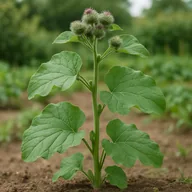
Chive
Chive
Allium schoenoprasum
📋Quick Facts
Height
0.4m
Water
💧💧💧 Frequent watering
Hardiness
Zone 4-8
About
Plant chives from a young clump in spring or autumn, in sun or light shade, in ordinary garden soil — they're one of the easiest perennial herbs and a single clump gives years of pickings. Chives are hardy (RHS H5–H6) and die back to the ground in winter, returning each spring. Snip leaves at the base with scissors and they regrow within days; cut whole flushes through the summer. The pink-purple pompom flowers in May–June are edible (pull apart for sprinkling on salads) and a magnet for bees. Cut the whole clump back hard to 5 cm in mid-summer for a fresh flush of tender leaves. Divide every 3–4 years to keep it vigorous. Chives partner well with carrots (the onion scent confuses carrot fly) and roses (deter aphids).
How to grow chive
- 1
Buy a young clump in spring
Easier and faster than growing from seed. Garden centres sell small clumps in spring from £3–5; one clump is enough for a household and will multiply quickly. If you want garlic chives (Allium tuberosum — different species, flat leaves, white star flowers, garlicky flavour), buy those separately.
- 2
Plant in sun or light shade
Chives tolerate most UK soils provided they don't sit waterlogged. Best in moisture-retentive soil that doesn't dry out; light shade in southern England keeps them lush in midsummer. Plant the clump at the same depth it was in the pot. Space clumps 25 cm apart if planting more than one.
- 3
Pick by snipping at the base with scissors
Cut whole stems at the base (1 cm above soil) — don't shear the tips like a haircut, which leaves brown stubs. The clump regrows from the base within a few days. Pick little and often through spring and summer. Use fresh; chives don't dry well (they lose flavour) but freeze fine in ice cubes with water.
- 4
Let some flowers bloom for bees, then cut back hard
Chive flowers (pink-mauve pompoms) appear in May–June. They're beautiful, edible (pull apart and scatter on potato salad or eggs), and an outstanding bee plant. After flowering, cut the entire clump back to 5 cm — this triggers a fresh flush of tender leaves for the rest of summer.
- 5
Water in dry spells
Chives sulk and brown off in long dry summer spells. A weekly soak in droughts (or daily for potted plants) keeps the leaves tender. Lush, bright green leaves = good moisture. Yellow-tipped leaves = too dry or the clump needs dividing.
- 6
Divide every 3–4 years
After 3–4 years a clump gets congested and the centre starts to die out. In early spring or autumn, lift the whole clump, split it with a spade into 4–6 sections, replant the best outer pieces, compost the dead centre. Free new plants and rejuvenated original.
- 7
Grow garlic chives alongside for a longer season
Garlic chives (Allium tuberosum) start later (July), flower later (August–September with white star flowers), and have flat strap-like leaves with a definite garlic flavour. Pair them with regular chives and you have chive harvest from May through to October.
- 8
Companion plant near carrots and roses
The onion scent of chives confuses carrot root fly — plant chives around carrot rows. Chives also deter aphids on roses; a clump at the base of each rose bush is the classic English cottage-garden pairing. Don't plant near peas or beans (alliums slow legume growth).
Common questions
Pest Resilience
Onion family chemistry deters most pests; occasionally gets rust.
Visual Characteristics
Fruits
Harvest: Spring to autumn / fall
Culinary
Baked potatoes, omelettes, cream cheese, salads, soups, dumplings
The chive year in your garden
How to Propagate
Hardiness Zones
USDA 6 equivalent