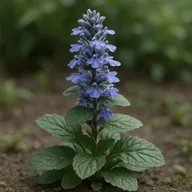
Crocus
Crocus
Crocus
📋Quick Facts
Height
0.1m
Spread
0.1m
Water
💧💧 Average watering
About
Plant crocus corms in autumn (September–November) at 5–7 cm deep in well-drained soil — they're hardy spring-flowering bulbs that produce vivid cup-shaped flowers in February–March, one of the earliest UK garden colours. Crocuses are hardy (RHS H6–H7) and split into spring-flowering types (the popular garden species — C. tommasinianus, C. chrysanthus, C. vernus Dutch hybrids) and autumn-flowering types (C. sativus = saffron, C. speciosus = autumn crocus, plant in summer for autumn bloom). For UK lawn naturalising, "Tommasinianus" is unbeatable — small, vigorous, mouse-and-squirrel-resistant, spreads into drifts. Let foliage die back naturally before mowing — same rule as snowdrops. Squirrels dig and eat crocus corms (especially larger Dutch hybrids); protect with chicken wire or grow squirrel-resistant C. tommasinianus.
How to grow crocus
- 1
Pick spring or autumn flowering type
Spring crocus — the popular garden choice, plant autumn for February–March flowers. Tommasinianus (C. tommasinianus): small, vigorous, mouse-and-squirrel-resistant, the best for lawn naturalising. Chrysanthus types (snow crocus): early (Feb), small flowers in white/yellow/blue. Dutch hybrids (C. vernus): bigger flowers (March), large goblet shape — but more squirrel-vulnerable. Autumn crocus — plant in late summer for September–October flowers. Speciosus (C. speciosus): blue-violet, large flowers, late September–October. Saffron crocus (C. sativus): purple with vivid orange-red stigmas (the spice saffron), late October–November. For a first crocus: Tommasinianus for lawn naturalising, or Chrysanthus types in pots and borders.
- 2
Plant corms in autumn (spring-flowering types)
September to November for spring crocus, before soil cools below 5°C. Plant 5–7 cm deep, 5 cm apart for natural drifts, pointed end up. In lawns: lift small squares of turf, scatter corms, replace turf — within a year you can't see the disturbance. In borders: plant in groups of 15–20 minimum for visual impact (a single crocus is invisible).
- 3
Plant autumn-flowering types in late summer
Saffron crocus and autumn crocus: plant corms in July or August for September–October flowering. Same depth (5–7 cm) and spacing. Don't confuse autumn-flowering crocus with autumn crocus (Colchicum) — different plant entirely with much larger flowers and broader strap-like leaves later in spring.
- 4
Pick a well-drained sunny position
Crocuses want full sun and sharp drainage — the chief enemy is wet-rot in waterlogged soil. Position: sunny lawns, well-drained borders, gravel gardens, rockeries. Avoid: clay that holds water, deep shade (flowers don't open in shade). For lawn use: the lawn dries out reasonably quickly after rain.
- 5
Protect against squirrels (and mice)
Squirrels dig and eat crocus corms, especially larger Dutch hybrid types. Three defences. (1) Plant squirrel-resistant species: Crocus tommasinianus is largely ignored by squirrels (the corms don't smell appealing). (2) Chicken wire over plantings: bury wire mesh 5 cm below the soil surface; flowers grow through, squirrels can't dig. (3) Plant deeper: 10 cm deep instead of 5–7 cm — squirrels rarely dig that far.
- 6
Let foliage die back naturally
Same rule as snowdrops and daffodils: don't cut, mow, or tidy crocus foliage until it dies back naturally in May. The grass-like leaves photosynthesise to fuel next year's flowers. In lawns: delay mowing the crocus area until mid-May. Skipping this kills the colony within 2–3 years.
- 7
Bee plant for late-winter pollinators
The other reason to plant crocuses: bees. Early-emerging queen bumblebees depend on crocus and other late-winter flowers for the first nectar. A patch of crocuses on a sunny February day is a constant buzz of bumblebee activity. Tommasinianus and Dutch hybrids are particularly bee-attractive. Don't deadhead or disturb during flowering — let the bees work.
- 8
Harvest saffron (if growing C. sativus)
The world's most expensive spice from your own garden. Each Crocus sativus flower contains three thread-like deep orange-red stigmas — the spice saffron. Harvest: on dry mornings just after the flowers open, pick the whole flower into a tray, then carefully pluck out the three orange stigmas from each. Dry the stigmas on paper in a warm dry place for 2–3 days. Yield: 100–200 flowers produce about 1 g of dry saffron (worth ~£10). A bed of 200 corms produces enough saffron for a year's risottos.
Common questions
The crocus year in your garden
How to Propagate
Hardiness Zones
USDA 5 equivalent