Herb fennel
Herb fennel
Foeniculum vulgare
📋Quick Facts
Height
1.5-1.8m
Spread
0.4-0.6m
Water
💧💧 Average watering
Hardiness
Zone 4-9
About
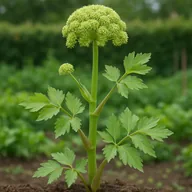
Plant herb fennel from a young plant in spring, or sow seed direct in April–June, in a sunny well-drained position — it's a tall, elegant perennial (1.5–2 m) with feathery foliage and yellow umbel flowers in mid to late summer. Herb fennel is hardy (RHS H4–H5) and dies back to ground each winter, returning each spring. Bronze fennel (Foeniculum vulgare 'Purpureum') is the popular ornamental form — the same plant in dark copper-bronze foliage that lifts a herbaceous border. Don't confuse with Florence fennel (annual bulb-forming form — separate slug fennel-bulb). Herb fennel self-seeds prolifically — cut flower heads off in autumn to limit spread. Don't plant near dill: they cross-pollinate. Pick young foliage for fish dishes; harvest seeds in late summer for cooking. Excellent for bees, butterflies, and hoverflies — top wildlife herb.
How to grow herb fennel
- 1
Choose green or bronze fennel
Green fennel (F. vulgare — the species): classic kitchen herb, feathery green foliage, yellow umbels, height 1.5–2 m. The functional choice. Bronze fennel (F. vulgare Purpureum): identical to green in cultivation but copper-bronze foliage. A border highlight as well as a kitchen herb — most gardeners grow it for both. Both are perennial. Florence fennel (the annual form grown for bulbs) is a different beast — see separate fennel-bulb content.
- 2
Sow direct or plant young
From seed: surface-sow direct in April–June where you want the plant. Germination in 10–14 days. From plant: a 1–3 L pot in spring. Don't transplant a mature fennel — long taproot, resents disturbance. One plant gives a household more herb than they can use.
- 3
Plant in sun, well-drained soil
Full sun. Tolerates poor soils — actually prefers them; rich soil produces lush growth that flops without support. Doesn't tolerate waterlogging. Spacing 60 cm if planting more than one — it grows wide as well as tall.
- 4
Stake if exposed
The flower spikes (1.5–2 m tall) can blow over in summer storms, particularly on rich soil or in windy gardens. A single stake at the base, with a loose tie at 1 m, holds the plant elegantly without trussing it. Don't stake low — it ruins the airy look.
- 5
Pick young foliage through summer
Cut feathery leaves and young stems for fish, salads, dressings. Pick from May through August. Once flowering starts (July–August) leaf production slows; pick younger fennel plants for tender foliage and let the mature one go to flower and seed.
- 6
Don't plant near dill (or carrots)
Dill and fennel cross-pollinate and produce muddy-flavoured hybrid seedlings the next year. Keep them at opposite ends of the garden (10+ m). Don't plant near carrots either — same family, similar pests. Fennel is generally a poor companion plant and best given its own corner of the garden.
- 7
Harvest seed in late summer
The yellow umbel flowers in July–August develop into seed heads through September. Cut when seeds are fully formed and starting to turn brown, but before they shatter. Hang upside-down inside a paper bag for 2 weeks. Seeds drop into the bag. Use for fish, sausages, bread, and the strong-flavoured tea.
- 8
Cut to ground in autumn and limit self-seeding
After the last seed harvest, cut all stems down to 5 cm above ground. This tidies the plant and removes any remaining seed heads that would self-sow. Fennel self-seeds aggressively if flower heads are left — be ready to weed out seedlings the following spring or wear gloves when handling them (some people are sensitive).
Common questions
Pest Resilience
Few pests; swallowtail caterpillars may feed on it but damage is minimal.
Visual Characteristics
Fruits
Harvest: Spring to autumn / fall
Culinary
Fish dishes, salads, pasta, risotto, sausages, herb vinaigrette
The herb fennel year in your garden
How to Propagate
This plant produces viable seeds for propagation
Hardiness Zones
USDA 7 equivalent