French tarragon
French tarragon
Artemisia dracunculus
📋Quick Facts
Height
0.6-0.8m
Spread
0.3-0.5m
Water
💧 Minimal watering
Hardiness
Zone 3-7
About
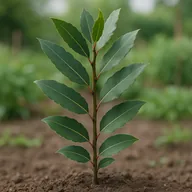
Plant French tarragon from a young plant in spring — never from seed. True French tarragon doesn't set viable seed, so any tarragon seed on sale is Russian tarragon, a related plant with almost no flavour. French tarragon is moderately hardy (RHS H4) and may struggle in cold wet UK winters on heavy soils; gritty, well-drained soil and a sunny sheltered spot are essential. Pick young shoots and leaves from May through September for the classic aniseed-tinged flavour of béarnaise sauce, chicken dishes, and herb butters. The plant gets leggy and loses vigour after 3–4 years — divide or take cuttings each spring to maintain young, strong-flavoured stock. Cut to the ground in autumn after the foliage yellows; mulch the crown in cold gardens. A single plant gives a household more tarragon than they can use.
How to grow french tarragon
- 1
Buy a plant, NEVER seed
This is the single most important rule. True French tarragon doesn't produce viable seed. Any packet labelled tarragon seed is Russian tarragon (Artemisia dracunculoides) — a related plant that looks similar but has almost no flavour. To be sure you have French tarragon, buy a plant in spring from a reputable herb nursery (Jekka's Herb Farm, Pepperpot, Hartley Botanic, or a quality garden centre that names the plant correctly). One plant lasts you for years.
- 2
Plant in spring, in gritty well-drained soil
April–May, after the last frost. Full sun, sharp drainage — tarragon hates wet feet, especially in winter. On clay soils, plant on a raised bed or fork in plenty of horticultural grit. A south-facing spot against a wall gives the warmth and dry winter conditions French tarragon needs.
- 3
Grow in a pot if your soil is heavy or your garden is cold
A 25 cm pot of peat-free compost mixed 50/50 with horticultural grit, in a sunny sheltered spot, often gives better results than open ground in marginal UK gardens. Move the pot under cover (porch, conservatory, unheated greenhouse) in deep winter to protect the crown from waterlogging.
- 4
Don't feed
French tarragon flavour is best in poor, dry conditions. Rich soil and feeding produce lush growth that flops, lacks aniseed punch, and is more prone to rot.
- 5
Pick young shoots from May
Cut the top 10 cm of young stems with their leaves attached. The plant branches and re-grows. Strongest flavour is on the young growth in early summer (May–June); midsummer growth gets coarser. Use fresh — tarragon loses much of its flavour when dried. Freeze excess in ice cubes or steep in white wine vinegar for tarragon vinegar.
- 6
Cut hard in mid-summer for fresh growth
A hard trim in mid-July (cut to 10 cm above the base) triggers a fresh flush of strongly-flavoured young leaves for late summer cooking. Without this, the plant grows leggy and loses flavour intensity by August.
- 7
Cut to the ground in autumn and mulch
After the foliage yellows in October–November, cut all stems to 2 cm above ground. Mulch the crown with bracken, horticultural fleece, or a 10 cm pile of dry compost — French tarragon's main winter risk is rotting from wet, not freezing from cold. In cold wet gardens this mulch is the difference between survival and loss.
- 8
Divide or take cuttings every 3 years
French tarragon loses vigour and flavour after 3–4 years. Division: in early spring, lift the plant and split it into pieces with roots attached. Cuttings: in early summer, take 8 cm tip cuttings of soft new growth, push into gritty compost, keep in a cool shaded spot — root in 4–6 weeks. Either way, plant the best young pieces in a fresh spot; compost the exhausted parent.
Common questions
Pest Resilience
Aromatic foliage deters most pests; generally trouble-free.
Visual Characteristics
Fruits
Harvest: Summer
Culinary
Béarnaise sauce, chicken dishes, fish, vinaigrettes, egg dishes, mustard sauces
The french tarragon year in your garden
How to Propagate
Hardiness Zones
USDA 7–8 equivalent