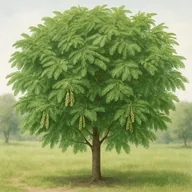
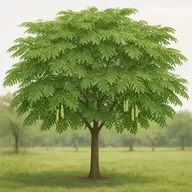
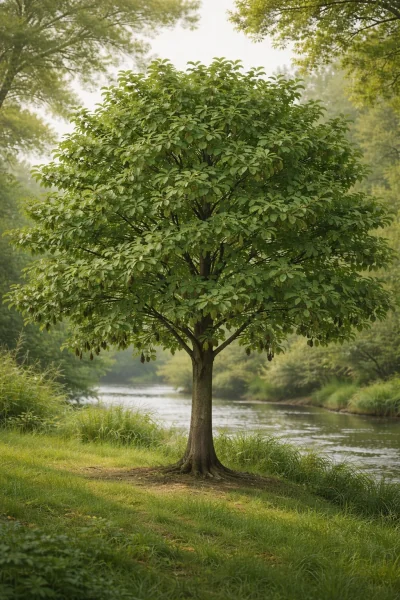
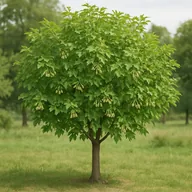
Common hackberry
Common hackberry
Celtis occidentalis
📋Quick Facts
Height
15.0-25.0m
Spread
12.0-18.0m
Growth
🐢 Slow
Takes time to establish
Maintenance
Low maintenance
Minimal pruning and care needed
Water
💧💧💧 Frequent watering
Hardiness
Zone 2-9
Cropping Timeline
Hackberry is not typically grown as a fruit tree, but the small, sweet berries are perfectly edible with a date-like flavour and a crunchy seed. Trees begin bearing around five to six years from planting. They are incredibly tough — tolerant of drought, wind, poor soil, and urban pollution. The berries were an important food for Native Americans and are excellent wildlife forage. Crops are reliable once established, with no need for cross-pollination.
About
Tough street tree with small edible drupes.
Pest Resilience
Virtually pest-free; an extremely tough and adaptable tree.
Visual Characteristics
Flowers
Blooms in Spring
Fruits
Harvest: Autumn / fall
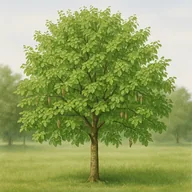
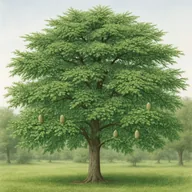
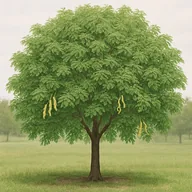
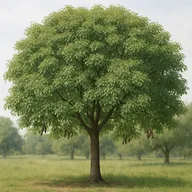
The common hackberry year in your garden
How to Propagate
This plant produces viable seeds for propagation
🦋Wildlife & Garden Ecology
Great for supporting local pollinators and wildlife
Hardiness Zones
USDA 4–5 equivalent