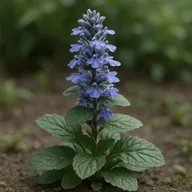
Hardy geranium (cranesbill)
Hardy geranium (cranesbill)
Geranium sanguineum
📋Quick Facts
Height
0.3m
Water
💧💧 Average watering
Hardiness
Zone 3-9
About
Plant hardy geraniums in spring or autumn, in sun or shade, in almost any soil — they're the most reliable and forgiving perennials for UK gardens, with species adapted to every condition from full sun to dry shade to woodland. Rozanne is the most popular of all (RHS Plant of the Centenary 2013) — clear violet-blue saucer flowers from May until first frost on a sprawling 50 cm mound. Hardy geraniums (RHS H5–H7) are not the same as pelargoniums (often called geraniums in garden centres) — pelargoniums are tender summer bedding; hardy geraniums are fully winter-hardy perennials. Cut the whole plant back by half after the first flush in late June to trigger a second flush. Don't confuse with the cranesbill weed — wild herb-robert (G. robertianum) self-seeds across gardens; pull young seedlings before they spread. Easy, beautiful, indestructible.
How to grow hardy geranium (cranesbill)
- 1
Pick a hardy geranium that matches your conditions
Sun / mixed border: Rozanne (violet-blue, May–first frost, 50 cm sprawling) is the standout. Brookside (rich blue, more upright). Patricia (magenta, vigorous). Dry shade: G. macrorrhizum (Album, Spessart) — bombproof ground cover, fragrant foliage, light pink flowers, the toughest of all. Woodland edge: G. phaeum Samobor (deep maroon, dark leaf markings), G. nodosum (lavender, evergreen). Cottage / informal: G. × oxonianum Wargrave Pink (clear pink, prolific), G. pratense (the wild meadow cranesbill, deep blue, 1 m). Avoid pelargoniums (the red/pink summer bedding pots labelled geranium) — different genus, tender, different plant entirely.
- 2
Plant in spring or autumn
Container-grown plants are sold year-round; best planting windows are March–May or September–October. Plant at the same depth they were in the pot. Spacing 40–60 cm depending on cultivar vigour. Water in deeply.
- 3
Match the soil and exposure to the species
One of the great virtues of hardy geraniums: there's a species for every UK garden condition. Most tolerate ordinary garden soil with reasonable drainage. Sun-loving (Rozanne, pratense, sanguineum): full sun, well-drained. Shade-loving (macrorrhizum, phaeum, nodosum): part to full shade, even dry shade. Front of border (cinereum, dalmaticum): compact, full sun. Check the specific cultivar before planting.
- 4
Cut hard back in late June for a second flush
The key husbandry technique for most hardy geraniums. After the first flush of flowers fades in late June, cut the whole plant back by half to two-thirds (some gardeners cut to ground level). The plant resprouts within 2 weeks with fresh foliage and a second flush of flowers lasting into autumn. Rozanne is the exception — it flowers continuously from May to first frost without needing the chop, though it still benefits from a light tidy mid-summer.
- 5
Don't feed (much)
Hardy geraniums flower best in ordinary unimproved garden soil. Feeding tends to produce more foliage at the expense of flowers, and softer growth more prone to flopping. A spring mulch of garden compost is sufficient. No liquid feeding required.
- 6
Stake the tallest species
Most hardy geraniums sprawl elegantly without support. Two exceptions: G. pratense (the meadow cranesbill — 1 m, flops after rain) and tall hybrids like Patricia (90 cm) benefit from a grow-through plant support placed in spring. Rozanne sprawls intentionally — let it weave through neighbours rather than staking.
- 7
Divide every 4–5 years in spring
Hardy geranium clumps gradually become congested and the centre dies out. In early spring, lift the clump, split with a spade into 3–6 sections, replant the best outer pieces in fresh soil. Don't divide in autumn for borderline-hardy species (cinereum types). G. macrorrhizum is happy with division any time it's growing.
- 8
Pull wild herb-robert seedlings
Wild herb-robert (Geranium robertianum) is a UK native annual cranesbill that self-seeds aggressively — small pink flowers, deeply-cut reddish leaves, smells unpleasant when bruised. Often appears in gardens with mature geraniums or in shady corners. Pull young seedlings while small (March–May) before they set seed. Not toxic and quite pretty in a wild corner, but aggressive in cultivated borders. Don't confuse with the desirable garden cranesbills.
Common questions
Pest Resilience
Generally pest-free; vine weevil may affect potted plants.
The hardy geranium (cranesbill) year in your garden
How to Propagate
This plant produces viable seeds for propagation
Hardiness Zones
USDA 6–5 equivalent