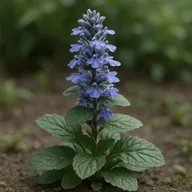
Heuchera / coral bells
Heuchera / coral bells
Heuchera × hybrida
📋Quick Facts
Height
0.3m
Water
💧💧 Average watering
Hardiness
Zone 4-9
About
Plant heuchera in spring or autumn, in part shade in well-drained soil — they're evergreen perennials grown primarily for the bold rounded foliage in extraordinary colours (lime, gold, orange, red, deep purple, near-black, and silver-marbled forms). Heucheras are hardy (RHS H5–H6) and produce wiry stems of small bell-shaped flowers (mostly pink, cream, or red) in early summer, though they're foliage plants first. Vine weevil is the dominant UK pest — larvae eat the roots and can kill plants overnight; treat with nematodes in autumn. The bewildering range of foliage colours comes from intensive modern breeding (the "Coral Bells" wave of 2000s–2020s). Replant every 3 years — heuchera crowns rise out of the ground as old roots die back; bury the rising crown or split and replant to keep plants vigorous.
How to grow heuchera / coral bells
- 1
Pick by foliage colour
Lime / chartreuse: Lime Marmalade, Citronelle — bright glow in shady positions. Orange / amber: Marmalade, Amber Waves — autumn fire colour all year. Deep purple / near-black: Obsidian, Forever Purple, Palace Purple — dramatic dark accents. Silver-marbled: Silver Scrolls, Northern Exposure Silver — striking variegation. Red: Cherry Cola, Fire Alarm — warm winter colour. For a first heuchera: Palace Purple — the original purple-leaved variety, vigorous and reliable.
- 2
Plant in part shade in well-drained soil
Heucheras are woodland-edge plants preferring part shade — morning sun and afternoon shade is ideal. Full sun: leaves scorch and colour fades; many varieties get crispy. Deep shade: foliage colours mute, plants stretch and flower poorly. Soil: well-drained but moisture-retentive; clay needs grit forking in. Don't waterlog — root rot is the second-biggest heuchera killer after vine weevil.
- 3
Plant in spring or autumn
Best windows: spring (March–April) for establishment ahead of summer, OR early autumn (September) for autumn–winter foliage display. Avoid summer planting — heat stress combined with root disturbance often kills new heucheras. Container-grown plants widely sold by garden centres in the popular foliage colours.
- 4
Watch for and treat vine weevil
The single biggest UK heuchera problem. Symptoms: plant collapses despite watering; lifted plant has eaten root system, often just a stump remaining. Prevention: nematodes (Steinernema kraussei) watered into the soil in autumn (August–October) and again in spring (March–April) if needed. Pot-grown heucheras are particularly vulnerable; treat all new pot purchases on arrival. Adult weevils (small grey-brown beetles) chew notches in leaf edges from May–August — cosmetic damage, but a sign of larvae below.
- 5
Bury or split rising crowns every 3 years
Heuchera's unique problem. As old roots die and new roots form above them, the crown gradually rises out of the soil — sometimes 5–10 cm above ground level by year 3. Two fixes. (1) Bury the rising crown: scrape soil away, position the crown lower, refill with fresh soil and a leaf-mould mulch. (2) Split and replant: lift the whole plant, divide with a sharp knife into 2–4 sections (each with leaves and roots), replant each at proper depth.
- 6
Cut flower stems off (or leave for wildlife)
Heuchera flowers in early summer (May–July) — small bell-shaped flowers on wiry 60 cm stems. For foliage focus: cut flower stems off as they emerge — energy goes to leaf production. For wildlife: let flowers bloom — small bees and hoverflies visit them. For seed-saving: leave a few stems to set seed for self-sown volunteers (though hybrids don't come true from seed).
- 7
Don't cut foliage back in autumn
Heuchera is evergreen — keep foliage on through winter. In late winter (February), tidy by removing any dead or damaged leaves with secateurs; the plant resumes growth in March. Don't hard-prune — heucheras don't regrow well from a complete cut-back. Mulch annually with leaf-mould around (not on) the crown each autumn.
- 8
Use modern hybrids — but accept some shorter lifespan
The huge range of modern foliage colours comes from 21st-century breeding (Terra Nova nurseries especially). Many modern hybrids are stunning but slightly less robust than older cultivars — they may live 4–6 years vs 10+ for traditional varieties. Palace Purple (1980s introduction) remains one of the longest-lived; bright modern oranges and limes may need replacing more often. Plan for replacement as part of the gamble for spectacular colour.
Common questions
Pest Resilience
Vine weevil can damage roots especially in pots; generally pest-free in the ground.
The heuchera / coral bells year in your garden
How to Propagate
Hardiness Zones
USDA 6 equivalent