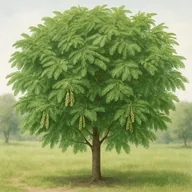
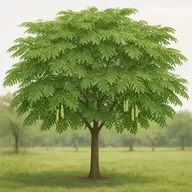
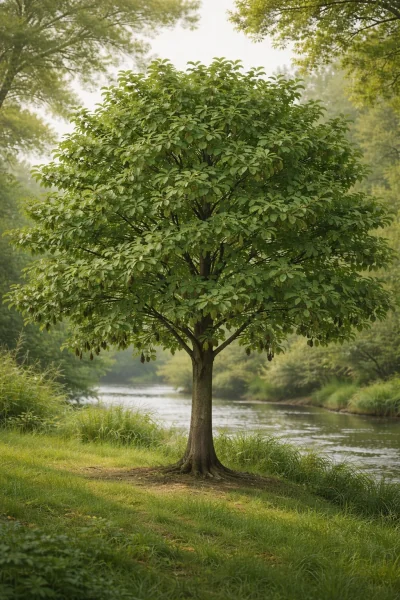
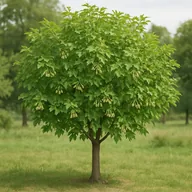
Common holly
Common holly
Ilex aquifolium
📋Quick Facts
Height
8.0-15.0m
Spread
5.0-8.0m
Care Level
👍 Moderate
Some experience helpful
Water
💧💧 Average watering
Every "3-4" days
Hardiness
Zone 7-9
About
Plant holly bare-root from November to March (or container-grown any time of year), in sun or shade, in any well-drained soil — it's an iconic UK native evergreen that takes almost any conditions, from coastal exposure to woodland shade to urban pollution. Holly is very hardy (RHS H6), slow-growing (15–30 cm per year), and long-lived (centuries). Holly is dioecious — male and female on separate plants, and only female plants bear the red Christmas berries. You need a male holly within bee range (~50 m) to fertilise the females. The variety names are deliberately confusing: Golden King is a female; Silver Queen is a male. Buy on stated sex rather than name. Tolerates clipping for topiary and hedges. The classic Christmas wreath holly is Argentea Marginata or J.C. van Tol (self-fertile — rare exception, the safe choice for solo planting).
How to grow common holly
- 1
Decide what you want — hedge, specimen tree, or berries
Holly hedge: plant 60 cm apart in autumn or spring, will form a dense impenetrable hedge in 5–7 years. Tolerates clipping and shade. Specimen tree: plant a single holly, allow 3–4 m space, grows to 5–15 m over decades. Berries for Christmas: needs a female variety AND a male pollinator within bee range. The exception: J.C. van Tol is self-fertile and produces berries solo — the safe choice if you only have space for one.
- 2
Understand the male/female trap
Holly is dioecious — male and female flowers on separate plants. Only female plants bear berries. The variety names are notoriously misleading from a sex perspective. Examples: Golden King is female (yes — the queen is the king). Silver Queen is male. Pyramidalis is female. Ferox Argentea is male. Always buy on stated sex, not assumed sex from the variety name. Garden centre labels should specify M or F.
- 3
Plant one male per 5–6 females (or pick self-fertile)
For berries, you need pollination. Within 50 m, a single male holly pollinates 5–6 females (bees move the pollen). If you have a neighbour with holly, theirs may already be doing the job. If buying just one holly and you want berries, choose J.C. van Tol or Pyramidalis Fructu Luteo — the very few self-fertile varieties that produce berries solo.
- 4
Plant in any soil, sun or shade
Holly's main appeal is its toughness. Sun, part shade, or full shade: all work, though sun gives the heaviest berry crop. Any soil except waterlogged: chalk, acid, sand, clay all tolerated. Coastal exposure and urban pollution: holly tolerates both better than most evergreens. Best planting time: late autumn or early spring for bare-root; any time for container.
- 5
Allow slow establishment
Holly is slow — 15–30 cm growth per year, even in good conditions. Don't expect a productive specimen for 5+ years. First-year planting can look dispiriting; the plant is putting energy into roots, not visible growth. Patience is the rule. Water through dry spells in the first 2 summers; established hollies tolerate drought well.
- 6
Clip in late summer for hedges or topiary
Holly tolerates clipping and shaping well — used in formal hedges, topiary, and standards. Clip in August (avoid earlier — disturbs nesting birds; avoid later — soft regrowth gets frosted). One annual clip is enough for hedges. Topiary needs two clips a year (early June and late August). Wear thick gloves — the spines are no joke.
- 7
Cut Christmas holly carefully
For the traditional Christmas berried branches: cut in early December (before birds have stripped the berries). Take whole branches from the inner parts of the plant — visible scars on the outside ruin the appearance for years on slow-growing holly. Strip lower leaves from the cut stems, soak in a bucket of water overnight, store cool until needed (will keep 2–3 weeks). Don't store dry — leaves go brown quickly.
- 8
Manage berries vs birds
Holly berries are a major UK winter bird food — blackbirds, fieldfares, redwings, thrushes will strip a tree in cold weather. For Christmas wreaths, cut before late December or birds will have taken them. To prefer wildlife over wreaths, plant a holly in a position you don't need for cuttings. Holly berries are mildly toxic to humans (cause vomiting if eaten in quantity) — birds metabolise the saponins fine, but warn children not to eat them.
Common questions
Safety Information
Medicinal Uses
Bark and leaf traditionally used in European folk medicine as an astringent, diuretic, and mild febrifuge. Associated with ilex alkaloid (theobromine-like) and tannin content; evidence is largely traditional.
Method: Bark or leaf decoction
Always wash hands after handling. Keep away from children and pets if toxic.
Pest Resilience
Holly leaf miner and leaf blight are cosmetic issues; generally very tough.
Visual Characteristics
Flowers
Blooms in Spring
Fruits
Harvest: Autumn / fall
The common holly year in your garden
How to Propagate
This plant produces viable seeds for propagation
🦋Wildlife & Garden Ecology
Great for supporting local pollinators and wildlife
Monitor for these pests and treat early if spotted
Hardiness Zones
USDA 5–6 equivalent