Hosta
Hosta
Hosta spp.
📋Quick Facts
Height
0.3m
Water
💧💧 Average watering
Hardiness
Zone 3-8
About
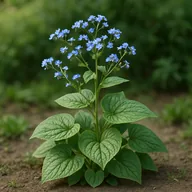
Plant hostas in spring or early autumn, in part or full shade in moist soil — they're foliage plants first, prized for their large architectural leaves in shades of blue-green, lime, gold, and variegated combinations. Hostas are hardy (RHS H6–H7) and disappear underground each winter, returning each spring. Slugs and snails are the unavoidable problem — they shred hosta leaves and will defeat a hosta unless actively defended. Blue-leaved varieties (Halcyon, Krossa Regal, Sum and Substance) have a waxy bloom that slugs find harder to eat. Heavy mulch with sharp grit, wool pellets, copper rings, or nematode treatment are the four main UK slug controls. Lavender-purple tubular flowers appear on tall stems in July–August (often cut off to focus the plant on foliage). One of the few perennials happy in deep dry shade once established.
How to grow hosta
- 1
Pick by leaf colour, size, and slug-resistance
Blue-leaved varieties are the slug-resistant heroes — waxy bloom on the leaves makes them harder to eat. Halcyon (60 cm, classic mid-blue), Krossa Regal (1 m tall, blue-green vase shape), Sum and Substance (massive yellow-gold, 1.2 m wide, vigorous and slug-resistant). Gold/yellow-leaved: Sum and Substance (lime-gold), August Moon (bright gold) — vivid colour in shady corners. Variegated: Patriot (green with white margin), Francee (deep green with crisp white edge), Frances Williams (blue-green with cream margins). Most variegated hostas attract more slug attention than blue-leaved. Small / front of border: Blue Mouse Ears (15 cm tiny blue), Mighty Mouse. For a first hosta in slug country: Halcyon or Sum and Substance.
- 2
Plant in part to full shade
Hostas are shade specialists. Most prefer dappled shade under deciduous trees, part shade (3–4 hours morning sun), or deep shade (under conifers, north-facing positions). A few cultivars tolerate more sun — the yellow-gold types (August Moon, Sum and Substance) colour better with 3–4 hours direct sun. Full sun on a hosta scorches the leaves brown at the edges by July — avoid.
- 3
Plant in moisture-retentive soil
Hostas want deep, fertile, moisture-retentive soil enriched with leaf-mould or garden compost. They tolerate clay (better than most perennials), but dislike thin sandy soils that dry out. Plant in spring (March–May) or early autumn (September), so roots establish before extreme conditions. Spacing 60–100 cm depending on cultivar size — hostas need room to develop their architectural form.
- 4
Apply slug control before leaves emerge
The single most important hosta husbandry. Slugs and snails strip emerging hosta leaves in March–April, ruining the plant before it's fully open. Apply slug control BEFORE growth starts (late February–early March). Four UK-effective controls: (1) Wool pellets scattered around the base — slugs dislike crossing the rough fibres; effective and organic. (2) Sharp grit / crushed eggshells as a 5 cm mulch around the crown. (3) Nematodes (Phasmarhabditis hermaphrodita) watered into the soil from March — biological control, very effective for 6 weeks. (4) Copper rings or tape around individual plants in pots.
- 5
Mulch generously each spring
A 5 cm mulch of garden compost or leaf-mould around the crown each spring conserves moisture, suppresses weeds, and gradually improves the soil. Keep the mulch 5 cm clear of the emerging crown (don't smother the new shoots). Combine the mulch with slug control (wool pellets, grit) for double effect.
- 6
Water through dry spells
Hostas wilt dramatically and shed leaves in summer drought. A deep weekly soaking in dry weather keeps the foliage in good condition. Pot-grown hostas need daily watering in summer. Yellow leaves at the base mid-summer = drought stress; the plant returns next spring but loses display this season.
- 7
Cut flower stems off (or let them flower)
Hostas produce tall stems of tubular lavender, purple, or white flowers in July–August. Some gardeners cut the flower stems off as buds form — the plant focuses energy on foliage instead of flowers, leaves stay larger and more intense. Others let them flower — bees enjoy the trumpets, and the white-flowered species (Royal Standard, Honeybells) are evening-scented. Personal preference; both approaches work.
- 8
Cut foliage down after frost
Late October–November, after the first hard frost has blackened the leaves, cut all foliage to 5 cm above the ground. Clear away the dead leaves to remove slug egg-laying habitat — leaving rotting hosta foliage in place is the easiest way to build a thriving slug population over winter. Compost the leaves elsewhere in the garden.
Common questions
Safety Information
Always wash hands after handling. Keep away from children and pets if toxic.
Pest Resilience
Slugs and snails devour hostas relentlessly; vine weevil also attacks roots.
The hosta year in your garden
How to Propagate
Hardiness Zones
USDA 5 equivalent