Hydrangea
Hydrangea
Hydrangea
📋Quick Facts
Height
1.5m
Spread
1.5m
Water
💧💧💧 Frequent watering
About
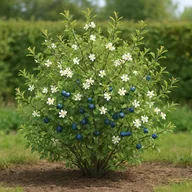
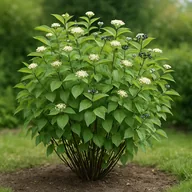
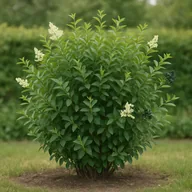
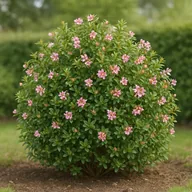
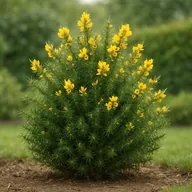
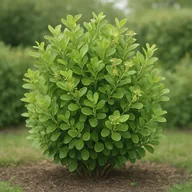
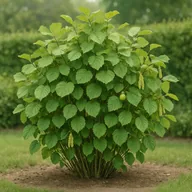
Plant hydrangeas in spring or autumn in moist, fertile soil with part-shade or sun for half the day. Hydrangeas are hardy (RHS H5) and one of the most rewarding flowering shrubs for UK gardens. Hydrangea macrophylla (mophead and lacecap) is the classic — flower colour shifts with soil pH (acid = blue, alkaline = pink). H. paniculata (Limelight, Vanille Fraise) gives huge cone-shaped flower heads regardless of pH. H. arborescens (Annabelle) produces basketball-sized white flowers on new growth. Each type has different pruning needs — and most hydrangea failures are bad pruning, not bad sites. Water deeply through summer; mulch heavily; feed in March. Pick fresh for vases or dry the heads for winter arrangements.
How to grow hydrangea
- 1
Identify your hydrangea type
Mophead and lacecap (H. macrophylla); paniculata (H. paniculata); arborescens (H. arborescens); oakleaf (H. quercifolia); climbing (H. anomala subsp. petiolaris). Each needs different pruning, and confusion is the commonest reason for poor flowering.
- 2
Plant in a partly-shaded spot
Morning sun, afternoon shade is ideal in most of the UK. Full sun is fine in cool maritime gardens. Avoid deep shade — flowering reduces sharply. Macrophylla types tolerate more sun than paniculata in the south.
- 3
Plant in moist, fertile soil
Fork in well-rotted compost or leaf mould. Hydrangeas drink heavily — moisture-retentive soil is essential. Heavy clay improved with grit works; light sandy soil needs lots of organic matter to hold water.
- 4
Adjust soil pH for mophead colour (if you want)
H. macrophylla mophead flower colour shifts with soil pH. Acid soil (pH 4.5–5.5): blue flowers. Alkaline soil (pH 7+): pink. To turn pink mopheads blue, apply aluminium sulphate or specialist hydrangea blueing agent twice a year. To turn blue to pink, add lime. Some cultivars (Vibrania) are bred for set colours and don't shift. White mopheads stay white regardless.
- 5
Prune by type
Macrophylla (mophead/lacecap): light prune in March. Cut spent flowers back to the next fat pair of buds; remove weak or crossing stems at the base; that's all. Paniculata: cut back hard each March — to a permanent framework 30 cm above the ground. Flowers on this year's growth. Arborescens (Annabelle): cut all stems to 30 cm each March. Flowers on this year's growth. Oakleaf and climbing: light prune only after flowering; flowers on last year's wood.
- 6
Water deeply through summer
Hydrangea leaves wilt dramatically in drought — the plant looks like it's dying. Water deeply twice a week through July and August. Mulch heavily with compost to hold moisture. Containers need daily watering in hot weather.
- 7
Feed in March
A balanced shrub feed in March. Ericaceous formula if you're maintaining blue mophead colour (the soil chemistry stays right longer). Don't over-feed — pushes leaves at the expense of flowers.
- 8
Dry flowers for arrangements
Pick mature flower heads in autumn when they've turned papery (usually September–October). Hang upside down in a dry place for 2 weeks. Dried hydrangea heads keep their shape and colour for 1–2 years.
Common questions
The hydrangea year in your garden
How to Propagate
Hardiness Zones
USDA 6 equivalent