Hyssop (Hyssopus officinalis)
Hyssop (Hyssopus officinalis)
Hyssopus officinalis
About
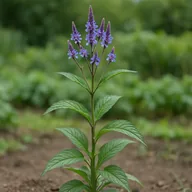
Plant hyssop from a young plant in spring, in full sun in well-drained gritty soil — it's a hardy Mediterranean semi-shrubby perennial that gives narrow grey-green leaves and dense spires of small two-lipped flowers in deep blue (or pink/white) from July to September. Hyssop is hardy (RHS H5) and stays semi-evergreen through normal UK winters; the dense low (40–60 cm) habit makes it useful as a low formal hedge in traditional knot gardens. Outstanding for bees — one of the top UK garden plants for honey-bee and bumblebee diversity, working the flowers constantly through high summer. The strong minty-bitter flavour is too pungent for most modern UK kitchens but historically used in stuffings, monastic liqueurs (Chartreuse), and herbal medicine. Cut hard back in spring (April) to keep compact. Replace every 4–5 years.
How to grow hyssop (hyssopus officinalis)
- 1
Choose flower colour and use
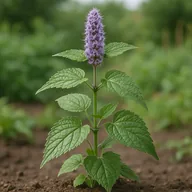
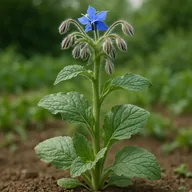
Hyssop comes in three flower colours, all the same species and same cultivation needs. Blue hyssop (Hyssopus officinalis species form): deep violet-blue spikes — the classic, most striking, most popular. Pink hyssop (Roseus): soft pink — a softer cottage-garden look. White hyssop (Albus): white — works well in white-themed plantings or as contrast. Anise hyssop is a different plant entirely (Agastache foeniculum) — see separate anise-hyssop slug.
- 2
Buy a young plant in spring
Buy a 1 L plant from a herb nursery (Jekka's, Pepperpot, RHS Wisley) in April–May. From seed is possible — sow indoors February–March, germinate at 18°C, prick out and plant out after last frost. Seed-grown plants reach productive size in year 2. One plant is enough for kitchen use; for a low hedge, space 30–40 cm apart in a row.
- 3
Plant in full sun and well-drained soil
Mediterranean origins: hyssop wants 6+ hours direct sun and sharp drainage. Rich or wet soil = winter crown rot. On heavy soils: plant on a raised bed, fork in plenty of horticultural grit, or grow in a pot. Sandy, chalky, or stony soils suit it perfectly. Tolerates a wide pH range. Spacing 40 cm (or 30 cm for hedging).
- 4
Don't feed
Feeding makes hyssop flop. Rich soil produces lush growth that collapses sideways, gets mildewy, and reduces flowering. No fertiliser at planting; no fertiliser during the season. A gravel mulch around the base keeps weeds down without adding nutrients. Stress concentrates the essential oils and the bee-attractiveness.
- 5
Pick leaves sparingly for the kitchen
Hyssop's flavour is strong, minty, slightly bitter, with eucalyptus edges — too pungent for most modern UK cooking. Traditional uses: a leaf or two in stuffings for game and rich meats, fish, lamb. Modern uses: lavender-style baking (small quantities only). Monastic uses: Chartreuse, Bénédictine, and other herbal liqueurs. Herbal tea: a few leaves for a strong infusion. Don't use lots — hyssop dominates any dish.
- 6
Cut hard back in spring
April after the last frost: cut the whole plant back by half to two-thirds, into soft greenish wood (avoid cutting into the old grey woody base — it rarely re-shoots). This keeps the bush compact, encourages dense new growth, and triggers strong flowering for July–September. Don't prune in autumn — soft regrowth won't survive winter. A light trim after flowering tidies the plant.
- 7
Use as a low formal hedge or edge
Hyssop's dense low habit (40–60 cm) makes it excellent for low formal hedging in knot gardens, parterres, and herb beds. The classic Tudor knot-garden combination is hyssop with box, lavender, and santolina. For hedging: plant 30 cm apart in a row, clip lightly twice a year (June and after flowering) to maintain shape. The deep blue flowers in midsummer add a stunning belt of colour through the formal lines.
- 8
Replace every 4–5 years
Hyssop gradually gets woody and bare-based after about 4–5 years. Take 8 cm semi-ripe cuttings in late summer (August) to start replacement plants: strip lower leaves, push into gritty compost, root in 4–6 weeks. Plant out next spring. Self-seeding: hyssop sometimes self-seeds in gritty conditions — accept the volunteers as replacements, or pull them if you want to control the colony.
Common questions
Pest Resilience
Strongly aromatic; virtually pest-free.
Visual Characteristics
Culinary
Bean dishes, roast meats, herbal tea, salads, liqueurs
The hyssop (hyssopus officinalis) year in your garden
How to Propagate
Hardiness Zones
USDA 7 equivalent