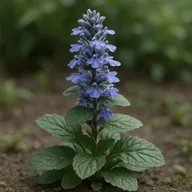
Lavender
Lavender
Lavandula angustifolia
📋Quick Facts
Height
0.8m
Water
💧 Minimal watering
Hardiness
Zone 5-8
About
Plant lavender in spring or autumn as young plants in 9 cm pots; seed is possible but slow and unreliable. Lavandula angustifolia (English lavender — Hidcote, Munstead) is fully hardy in most of the UK (RHS H5) and the most reliable choice for gardens. L. × intermedia (lavandins — Grosso, Phenomenal) are H4 and bigger, with higher oil yield. L. stoechas (French / Spanish lavender, with the rabbit-ear bracts) is H3 and risky outside sheltered southern coastal gardens. Choose full sun and sharp drainage — lavender hates wet feet far more than it hates cold. Prune lightly after flowering, never into old bare wood. A well-sited English lavender lasts 8–12 years. Bees and butterflies adore it.
How to grow lavender
- 1
Choose by species
Lavandula angustifolia (English lavender) — H5, the UK standard: Hidcote (compact, deep purple), Munstead (vigorous, light purple). L. × intermedia (lavandins) — H4, bigger and more fragrant: Grosso, Phenomenal, Edelweiss. L. stoechas (French/Spanish) — H3, distinctive with rabbit-ear bracts but only reliable in sheltered south. Pick by your local climate.
- 2
Choose a sunny well-drained spot
Full sun, sharp drainage. South-facing aspect, raised beds, gravel gardens, alongside paving. Mediterranean conditions in miniature. Lavender on heavy clay in a wet UK winter rots; on poor sandy soil in full sun it thrives.
- 3
Plant in spring or autumn
March–May or September–early October. Container-grown plants in 9 cm pots establish best. Dig the hole twice the rootball width; add grit to heavy soil; don't bury the stem below its original level.
- 4
Water in, then leave alone
Water deeply once at planting. Established lavender is drought-tolerant and resents watering — overwatering is the second-most-common killer after winter wet. In containers, water only when the surface is dry.
- 5
Prune lightly after flowering
Late July to early August. Shorten flower stems and leaves by 5–7 cm. Never cut into old bare wood — lavender rarely regrows from it, and you'll kill or permanently disfigure the plant. Annual pruning keeps the bush dense and prevents legginess.
- 6
Take cuttings in summer
Softwood cuttings from non-flowering shoots in June–July root readily in gritty compost. Insert 10 cm cuttings around the edge of a pot, water in, cover loosely with a plastic bag. Roots in 6 weeks. Insurance against losing a parent plant.
- 7
Replace every 8–12 years
Even well-pruned lavender eventually gets woody, threadbare, and bare at the base. Have replacement cuttings ready before the parent fails. English lavender lasts longest; lavandins typically 6–8 years; French/Spanish 4–5 years in the UK.
Common questions
Pest Resilience
Aromatic foliage deters almost all pests; rosemary beetle occasionally in mild areas.
Visual Characteristics
Culinary
Baking, infused sugar, syrups, shortbread, ice cream, herbal tea, cocktails
The lavender year in your garden
How to Propagate
Hardiness Zones
USDA 6–7 equivalent