Mangetout
Mangetout
Pisum sativum var. saccharatum
📋Quick Facts
Height
1.2m
Spread
0.1m
Water
💧💧 Average watering
About
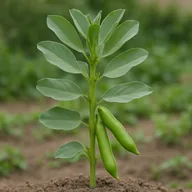
Sow mangetout direct from March to July, in sun in well-drained soil — they're an edible-podded variant of the garden pea, eaten whole including the soft, sugary, immature pod before the seeds inside have filled out. Mangetout (literally "eat-all") are hardy (RHS H4–H5) but the seedlings dislike cold wet soil — wait until soil is at least 7°C in spring, or sow under cloches. Pick the pods young and flat (5–7 cm) while the peas inside are still tiny; left longer the pods get tough and stringy. Successional sowing every 3 weeks keeps fresh tender pods coming from June to September. Distinct from sugar snap peas (rounder fatter pods, also eaten whole — slightly later UK introduction). Both need a 1.5–2 m support — pea netting, twigs, or wire — and protection from pea moth and pigeons.
How to grow mangetout
- 1
Choose mangetout or sugar snap
Mangetout: flat thin pods 5–8 cm long, eaten whole when the pod is young and the peas are still tiny. Oregon Sugar Pod is the UK standard. Tender, sweet, classic. Sugar snap: fatter rounder pods 5–7 cm, eaten whole when fully filled out (still soft, still sweet, never tough). Sugar Ann, Sugar Snap, Cascadia. Slightly newer to UK gardens, very popular. For a first crop, Oregon Sugar Pod mangetout — reliable, no stringy issue, easy to pick at the right moment.
- 2
Sow direct, March to July
Wait until soil is 7°C or warmer (mid-March in southern England, late March–April in the Midlands and north). Cold wet soil = poor germination. Make a flat-bottomed drill 5 cm deep, 15 cm wide; sow seeds 5–8 cm apart in two staggered rows along the drill. Cover with soil, water lightly. Germination in 10–14 days.
- 3
Sow successionally every 3 weeks
The key to continuous mangetout. A single mangetout sowing crops heavily for 3–4 weeks then declines. Sow a fresh short row every 3 weeks from late March until early July, and you'll have tender pods from June through September. Don't sow after late July — heat causes mildew and the autumn pods get tough.
- 4
Provide a 1.5–2 m support before sowing
Mangetout climb by tendrils and need something to grip. Set up support before sowing — easier than retro-fitting around growing plants. Options: pea netting stretched on canes (cheapest, easiest); hazel twigs and pea sticks (traditional, beautiful); wire trellis. The plants grow 1.5–2 m tall.
- 5
Protect seedlings from pigeons and mice
Mice eat the seeds before germination — soak seeds in paraffin briefly before sowing, or set humane traps. Pigeons eat the emerging seedlings in March–April. Cover the sown drill with horticultural fleece or chicken wire until the plants are 15 cm tall (past the pigeon-eating stage).
- 6
Water consistently when flowering and podding
Mangetout drop flowers and produce stringy pods in dry conditions. Once flowering starts (May–June): water deeply once or twice a week in dry spells. Mulch with garden compost in spring to conserve moisture. Pot-grown mangetout need daily watering once cropping.
- 7
Pick young and pick often
The most important harvest rule. Pick when pods are 5–7 cm long, flat, and the peas inside are still tiny lumps. Left longer: pods get tough, stringy, and the plant stops producing new flowers. Pick at least every 2–3 days during cropping — daily during peak. The more you pick the more they produce. Cooked: 2 minutes blanched, or eaten raw in salads.
- 8
Watch for pea moth, mildew, and aphids
Pea moth (Cydia nigricana): tiny caterpillars inside pods, June–July. Use pheromone moth traps in flowering rows from mid-May. Powdery mildew: white powder on leaves, usually late summer/heat-stressed plants. Improve airflow, water at the base, accept that late sowings often get mildewed. Pea aphids: leaf damage, occasional virus transmission. Encourage hoverflies and ladybirds; spray with horticultural soap if severe.
Common questions
The mangetout year in your garden
How to Propagate
Hardiness Zones
USDA 7 equivalent