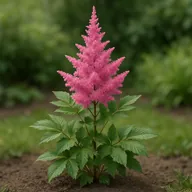
Peony
Peony
Paeonia lactiflora
📋Quick Facts
Height
0.8m
Water
💧💧 Average watering
Hardiness
Zone 3-8
About
Plant peony crowns from October to March, bare-root, in a sunny spot with deep fertile soil. Peonies are very hardy (RHS H6–H7) and live for 50+ years if planted right — but they need one very specific thing: the dormant buds (eyes) on the crown must sit no more than 3 cm below the soil surface. Bury them deeper and the plant gives lush foliage every spring but no flowers, ever. Once planted, peonies dislike being moved; site them carefully the first time. Flowering happens in May or June for two weeks of glory; herbaceous types die back to nothing each winter. Sarah Bernhardt (classic pink), Bowl of Beauty (anemone-form pink), Karl Rosenfield (deep red), Coral Charm (coral fading to cream). Ants on buds are normal and harmless.
How to grow peony
- 1
Buy crowns from a specialist nursery
October to March is the planting season. Bare-root crowns establish far better than pot-grown — they're cheaper, give bigger plants, and arrive when the soil's ready. Buy from a peony specialist; the variety choice is much wider than at general garden centres.
- 2
Choose a sunny well-drained spot
Full sun ideal (6+ hours direct); tolerates light shade for part of the day. Sharp drainage essential. Once planted, peonies stay put for decades — site them carefully. Don't plant where roses, peonies or other deep-rooted shrubs have grown before; the soil may be exhausted.
- 3
Dig deep and prepare well
Fork in well-rotted manure or compost a spade deep. Peonies are heavy feeders that stay in the same spot for 50+ years — make the bed properly. Mix in grit if your soil is heavy.
- 4
Plant SHALLOWLY
The single most important step. The eyes (dormant buds on the crown) must be no more than 3 cm below the soil surface. Deeper and the plant won't flower, ever — it'll give lush foliage every spring and no buds. Use a stick across the hole to measure depth. Cover with soil to just above the eyes.
- 5
Water in and mulch
Water heavily on planting; mulch around (not on) the crown with 5 cm of compost. Keep mulch 5 cm clear of the eyes; smothering them slows or prevents flowering.
- 6
Don't move once planted
Peonies sulk badly when moved — typically skipping flowers for 2–3 years before settling in again. Site right the first time. If you absolutely must move one, do it in October, lift the entire root ball intact, and replant at the same depth in fresh prepared ground.
- 7
Feed in March
A light balanced feed in March each year. Don't over-feed — rich nitrogen pushes leaves and floppy stems at the expense of flowers.
- 8
Stake heavy flowers
Double cultivars (Sarah Bernhardt, Karl Rosenfield) carry enormous heads that topple in spring rain. Put in ring stakes (grow-through grids) in early April before the stems get tall and heavy. Single-flowered peonies don't usually need staking.
- 9
Deadhead after flowering
Cut spent flowers back to the next leaf joint. Don't cut the foliage — it continues feeding the crown for next year's flowers through summer. Cut foliage right back to ground level in November after the leaves have yellowed.
Common questions
Pest Resilience
Peony wilt (botrytis) can cause buds to brown; ants on buds are harmless.
The peony year in your garden
How to Propagate
Hardiness Zones
USDA 5 equivalent