Rowan
Rowan
Sorbus aucuparia
📋Quick Facts
Height
8.0-15.0m
Spread
5.0-8.0m
Cropping Timeline
Rowan is primarily valued as an ornamental and wildlife tree, but the berries are perfectly edible once cooked — raw berries contain parasorbic acid which causes stomach upset. Trees begin bearing their vivid orange-red berry clusters around year four. Rowan jelly, made with crab apples, is a classic accompaniment to game and lamb. Selected cultivars like Edulis have larger, sweeter berries. Extremely hardy and wind-tolerant, rowan thrives in exposed upland sites where other fruit trees would struggle. Self-fertile and largely trouble-free.
About
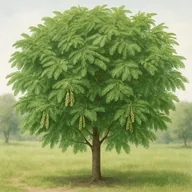
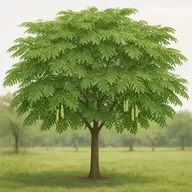
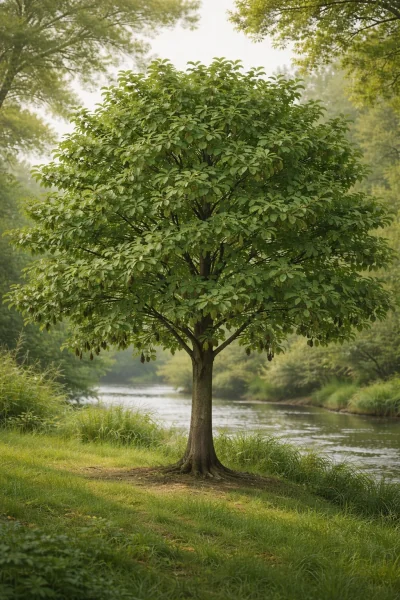
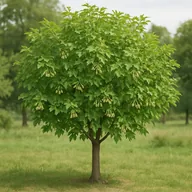
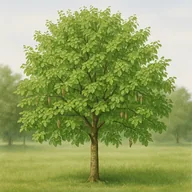
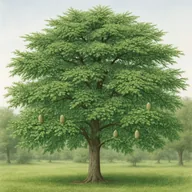
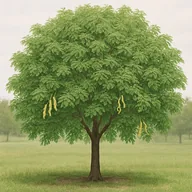
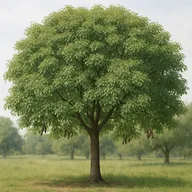
Slender tree with red berries and fern-like leaves.
Pest Resilience
Few significant pests; birds take berries but the tree is resilient.
Visual Characteristics
Culinary
Rowan jelly, syrups, sauces for game, infused spirits, wine, fruit leather (cooked)
The rowan year in your garden
How to Propagate
Hardiness Zones
USDA 4–5 equivalent