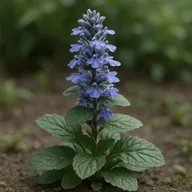
Salvia (ornamental)
Salvia (ornamental)
Salvia nemorosa
📋Quick Facts
Height
0.7m
Water
💧💧 Average watering
Hardiness
Zone 4-8
About
Plant ornamental salvias in spring, in full sun in well-drained soil — Mediterranean origins mean they want poor, gritty conditions and sulk in rich wet ground. Hardy salvias (RHS H5–H6, Salvia nemorosa, S. × sylvestris and their hybrids) form tidy mounds 40–80 cm tall topped with dense spikes of small two-lipped flowers in violet, purple, pink, or white from May through August. Cut the whole plant down to 10 cm after the first flush of flowers fades (the Chelsea chop applied in late June) — this triggers a second, longer flush of flowers lasting into September. Salvias are top-tier bee plants and the showiest are top-tier garden classics: Caradonna (deep violet, near-black stems), Mainacht / May Night (deepest indigo), Amistad (taller half-hardy magenta-purple). Avoid feeding — rich growth flops and flowers less.
How to grow salvia (ornamental)
- 1
Pick a hardy or half-hardy salvia
Hardy ornamental salvias (Salvia nemorosa, S. × sylvestris, S. × superba hybrids — RHS H5–H6): 40–80 cm mounds, violet to pink spike flowers, fully hardy, the safe garden choice. Caradonna is the most popular — near-black stems, deep violet flowers, 60–70 cm. Half-hardy salvias (Salvia × jamensis, S. greggii, Amistad and similar — H3–H4): larger shrubby plants, brighter colours (red, magenta, hot pink), more tender — may need winter protection or cuttings. Annual / tender salvias (Salvia splendens, S. farinacea — H1c): bedding plants, treat as summer annuals. For long-term garden value, plant hardy S. nemorosa types.
- 2
Plant in full sun and well-drained soil
Mediterranean origins: salvias want full sun (6+ hours), sharp drainage, and poor-to-ordinary soil. Rich soil = flopping plants + reduced flowers. On clay soils, fork in plenty of horticultural grit at planting. Sandy, chalky, or stony soils suit them perfectly. Spacing: 40 cm for mound-forming hardy salvias, 60 cm for larger shrubby forms.
- 3
Plant in spring, after last frost
Container-grown plants are typically sold in 1–2 L pots from April onwards. Plant after the last frost in your area (mid-April in southern England, late April–May in the Midlands and north). Water in deeply, then leave alone — salvias resent overwatering once established.
- 4
Don't feed
Feeding is the most common cause of salvia disappointment. Rich soil and fertiliser produce lush growth that flops, blocks airflow, encourages mildew, and reduces flowering. No fertiliser at planting, no fertiliser during the season. A 3 cm gravel mulch around the base keeps weeds down, reflects heat, and avoids the organic-mulch moisture that salvias dislike.
- 5
Apply the Chelsea Chop in late June
The critical husbandry technique for hardy salvias. Once the first flush of flowers fades (late June), cut the whole plant down to 10–15 cm above ground. The plant resprouts and produces a second, longer flush of flowers from August through September. Without the Chelsea Chop, salvias flower once (May–June) and look tatty for the rest of summer. With it, you get 4 months of flowering instead of 6 weeks.
- 6
Stake taller varieties in exposed sites
Most S. nemorosa hybrids (40–70 cm) need no staking. Taller varieties like Amistad (1.2 m) or vigorous Mainacht on rich soil may flop in summer storms — a discreet pea-stake or grow-through plant support placed early lets them grow up through it.
- 7
Leave the seedheads or cut for tidiness
After the second flush fades in September, you have a choice. Leave the dark seedheads for winter structure and bird food (goldfinches eat the seeds). Cut to 10 cm for a tidier border. Don't cut hard in autumn on the half-hardy varieties (Amistad, jamensis types) — the woody stems protect the crown from frost; cut them in late spring instead.
- 8
Take cuttings of half-hardy varieties for insurance
Half-hardy salvias (Amistad, S. greggii, S. × jamensis) may not survive a hard UK winter. Take 8 cm tip cuttings in late summer (August–September): strip lower leaves, push into gritty compost, keep in a cool light spot through winter. Roots form in 3–4 weeks. By spring you have insurance plants in case the parents don't make it through.
Common questions
Pest Resilience
Few pest problems; aromatic foliage helps deter insects.
Visual Characteristics
Culinary
Herbal tea, garnish, infused syrups, salads, flavoured honey
The salvia (ornamental) year in your garden
How to Propagate
Hardiness Zones
USDA 6 equivalent