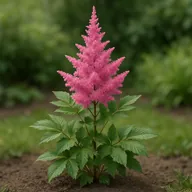
Snowdrop
Snowdrop
Galanthus nivalis
📋Quick Facts
Height
0.1m
Spread
0.1m
Water
💧💧 Average watering
About
Plant snowdrops "in the green" in February–March (just after flowering, while leaves are still up) rather than as dry bulbs in autumn — they're one of the few bulbs that establish much better from actively-growing plants than from dormant bulbs, which often desiccate before planting. Snowdrops are very hardy (RHS H7) and the iconic UK winter flower — pure white nodding bell-shaped flowers from late January through February, often appearing through snow. The common snowdrop (Galanthus nivalis) is the UK native naturalised wide; "S. Arnott" is the modern reliable favoured single; the world of named snowdrop cultivars ("galanthophilia") supports a passionate UK following. Plant in damp shade or part shade — under deciduous trees is ideal. Self-seeds and bulb-divides into spreading drifts over 5–10 years; don't disturb established colonies.
How to grow snowdrop
- 1
Plant in the green, not as dry autumn bulbs
The single most important snowdrop rule. Most autumn bulb suppliers sell snowdrops as dry bulbs, but dry snowdrop bulbs desiccate easily and establish poorly — typically 30–60% loss in the first year. In the green plants (small clumps of actively growing snowdrops with foliage attached, sold in February–March) establish at near 100%. Buy in the green from specialist suppliers (Avon Bulbs, Beth Chatto, Pottertons) for reliable establishment.
- 2
Pick a snowdrop type
Common snowdrop (Galanthus nivalis): the UK native (and widely naturalised), 10–15 cm, classic single-flowered, the standard for naturalising in lawns and woodland. The right first snowdrop. Giant snowdrop (G. elwesii): larger flowers, 15–20 cm, broader grey-green leaves, more vigorous, slightly earlier. S. Arnott: a vigorous single cultivar, larger flowers than the species, RHS Award of Garden Merit, the reliable modern choice. Flore Pleno: double-flowered common snowdrop — frilly, full-petalled. Speciality cultivars (Lady Beatrix Stanley, Magnet, Atkinsii): the world of galanthophilia — collected by enthusiasts.
- 3
Plant in damp part shade
Best position: under deciduous trees, alongside shaded paths, in damp grass or wildflower meadow. Snowdrops naturalise best in conditions that get spring sunlight before tree canopy closes, then summer shade. Avoid: deep dry shade (under conifers), full hot sun in dry soil. Soil: moisture-retentive, humus-rich, with leaf-mould worked in.
- 4
Plant at the same depth as the soil line on the leaves
For in the green plants: plant at exactly the same depth as the green-to-white boundary on the bulb (you can see where the leaves were emerging from soil). For dry bulbs (if you must): plant 7–10 cm deep, blunt end down. Spacing: 5–7 cm apart for natural drifts; 10 cm apart for spaced display.
- 5
Let them naturalise — don't disturb established colonies
Snowdrops spread slowly by both self-seeding and bulb division. An established colony is best left undisturbed — moving snowdrops sets them back. Naturalisation takes 5–10 years but the result is a spreading drift that flowers more impressively every year. Don't mow the area until the snowdrop foliage has died back naturally in May.
- 6
Let foliage die back naturally
The single rule for keeping snowdrops returning: don't cut, mow, or tidy the foliage until it dies back naturally in May. The leaves photosynthesise to fuel next year's flowers — cut them off and you lose next year's bloom. In lawns: skip mowing the snowdrop area until at least mid-May. In borders: leave the yellowing leaves alone; tuck them gently under emerging perennials if they look tatty.
- 7
Divide every 5–7 years if congested
Mature snowdrop clumps can get so congested that flowering drops. Divide in February-March (in the green, after flowering): lift the whole clump with a fork, gently tease apart into smaller clumps (5–10 bulbs each), replant immediately at the same depth in fresh leaf-mould-enriched soil. Water in. This is also how to spread an established colony to new areas of the garden.
- 8
Join the galanthophile world (or don't)
Snowdrop collecting is a serious UK garden subculture — enthusiasts (galanthophiles) collect hundreds of named cultivars, some single bulbs trading for £1,000+. Special snowdrop gardens: Welford Park, Painswick Rococo Garden, Anglesey Abbey, and others open in February for the snowdrop season. For ordinary gardeners: a generous drift of common snowdrop and S. Arnott is more rewarding than a collection of unusual ones — quantity and naturalisation beats rarity for visual effect.
Common questions
Safety Information
Always wash hands after handling. Keep away from children and pets if toxic.
The snowdrop year in your garden
How to Propagate
Hardiness Zones
USDA 4–5 equivalent