Strawberry
Strawberry
Fragaria × ananassa
📋Quick Facts
Height
0.2m
Spread
0.3m
Water
💧💧 Average watering
About
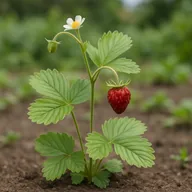
Plant strawberry runners in late summer to early autumn (August to September) for a full crop the following June. The plant itself is hardy (RHS H5) but the flowers are frost-tender, so cover with fleece if a late April frost is forecast. Plant 30 cm apart in rich, well-drained soil in full sun. Choose early (Honeoye), mid (Cambridge Favourite, Sonata), late (Symphony) or perpetual (Albion, Mara des Bois) varieties for a long picking season. Mulch with straw or matting once flowers appear to keep fruit clean and deter slugs. Net the plants from late May — birds strip a row overnight. Replace plants every 3–4 years; older plants exhaust and crop less.
How to grow strawberry
- 1
Buy certified virus-free runners
Late summer (August to September) is the best planting time. Buy certified virus-free runners from a nursery, not from a friend's diseased patch. Cold-stored runners can be planted spring through June for a smaller late-summer crop.
- 2
Prepare the bed
Full sun, well-drained, slightly acidic soil. Fork compost or well-rotted manure into the bed. Strawberries hate waterlogged ground.
- 3
Plant
30 cm apart in rows 75 cm apart. Set the crown level with the soil surface — neither buried nor exposed. Water in well.
- 4
Mulch with straw
When flowers appear in April, tuck clean straw or strawberry matting under the plants. Keeps fruit off the soil, deters slugs, suppresses weeds.
- 5
Protect flowers from late frost
Strawberry flowers are killed by frost — black centres after a cold night mean no fruit. Cover with fleece from mid-April onwards if frost is forecast.
- 6
Net against birds
From late May, net the plants firmly on hoops at least 30 cm above the foliage. Birds strip a row in a day. Use proper bird netting with 1 cm mesh; nothing smaller (birds and hedgehogs get caught in fine mesh).
- 7
Pick ripe
Pick when fully red with a sweet smell. Take with the calyx attached (no green stem in the punnet). Pick every other day during peak — over-ripe fruit invites grey mould (botrytis) which spreads.
- 8
Remove runners (or use them)
Through summer, the parent plant sends out runners with baby plants. Cut them off for bigger fruit on the parent; or peg the first plantlet on each runner into a pot of compost to root your next year's stock.
- 9
Replace every 3–4 years
Productivity drops sharply after year 3. Take young plants from the runners of the best parents, plant a fresh bed each year, retire the oldest.
Common questions
The strawberry year in your garden
How to Propagate
Hardiness Zones
USDA 6 equivalent