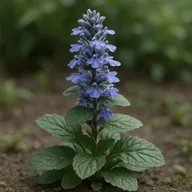
Sunflower
Sunflower
Helianthus annuus
📋Quick Facts
Height
2.0m
Water
💧 Minimal watering
Hardiness
Zone 2-11
About
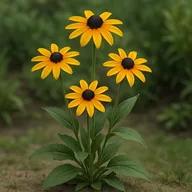
Sow sunflower seed direct from late April outdoors or in modules indoors from March. Sunflowers are frost-tender annuals (RHS H1c) and want a sunny sheltered spot in any decent garden soil. Tall varieties (Russian Giant, Mongolian Giant) reach 3–4 m and need staking; medium types (Velvet Queen, Italian White) reach 1.5–2 m and stand on their own; dwarf varieties (Teddy Bear, Sunspot) reach 45–60 cm and suit containers. Plant 30–60 cm apart depending on type. Slugs strip seedlings — protect for the first 4 weeks. Pick stems for cut flowers when the petals have just opened and the back of the head is still green. Leave seed heads on tall plants in autumn for the birds.
How to grow sunflower
- 1
Sow seed
Late April direct outdoors in sheltered gardens; mid-March to mid-April indoors in modules elsewhere. 2 cm deep, 2 seeds per station, thin to the strongest. Germination in 7–10 days at 15°C+.
- 2
Protect seedlings from slugs
Slugs and snails strip emerging sunflowers in a single night. Use nematodes, beer traps, hand-picking at dusk, or copper rings around new transplants. Pressure drops sharply once stems are 30 cm tall.
- 3
Plant out after the last frost
Outdoor-sown plants are fine in situ; module-grown seedlings transplant after the last frost (mid-May south, early June north). Space 30 cm for dwarf, 60 cm for medium-to-tall varieties.
- 4
Stake tall varieties early
Russian Giant, Mongolian Giant, Titan reach 3–4 m and topple in wind. Put in a tall cane (2.5 m) at planting; tie the stem in every 30 cm as it grows. Tie loosely with soft twine.
- 5
Water deeply through summer
Sunflowers are reasonably drought-tolerant once established but a dry July gives smaller flowers. Water deeply every 5–7 days in dry weather. Mulch the base.
- 6
Cut for vases or leave for seeds
For cut flowers: cut stems with secateurs when the petals have just opened and the back of the head is still green. They'll last 5–7 days in water. To leave heads on the plant for autumn seed: don't cut; the seeds ripen as the head turns brown and droops.
- 7
Leave seed heads for birds
In October–November, when seed heads have turned brown and dry, leave them on the plant. Goldfinches, tits, and house sparrows feast on them through autumn. Cut the dried heads when most seeds are eaten or store somewhere dry to feed birds through winter.
Common questions
Pest Resilience
Slugs eat seedlings; birds and squirrels take seeds from mature heads.
Companion Planting
Visual Characteristics
Culinary
Seeds raw or roasted, seed butter, oil pressing, sprouted in salads, petals as garnish
The sunflower year in your garden
How to Propagate
This plant produces viable seeds for propagation
Hardiness Zones
USDA 10–11 equivalent