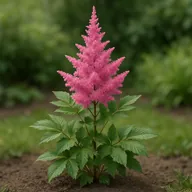
Tulip
Tulip
Tulipa
📋Quick Facts
Height
0.5m
Spread
0.1m
Water
💧💧 Average watering
About
Plant tulip bulbs in November to early December (later than other spring bulbs) — the cold soil reduces tulip fire disease risk; earlier planting in warm autumn soil encourages this fungal disease. Tulips are hardy (RHS H6) and the most variable spring bulb, with thousands of cultivars from dwarf species types to elegant lily-flowered to flamboyant doubles and parrots. Most Dutch hybrid tulips are short-lived in UK gardens — they flower brilliantly year 1, weakly year 2, often disappear by year 3 (lift, store, and replant for reliable repeat performance, OR treat as annuals). Species tulips and Darwin hybrids are the exceptions — these perennialise and naturalise. Plant 10–15 cm deep in well-drained soil and full sun. Squirrels eat tulip bulbs — protect with deep planting and wire mesh.
How to grow tulip
- 1
Choose perennials or annuals
Dutch hybrid tulips (most named cultivars sold by garden centres): brilliant year 1, weak year 2, disappear by year 3. Treat as annuals — buy fresh bulbs each year for spectacular display, accept they won't reliably return. Darwin hybrid tulips (Apeldoorn, Pink Impression, Daydream): the most perennial of the large-flowered groups — return for 3–5 years with proper management. Species tulips (T. tarda, T. clusiana, T. saxatilis, T. turkestanica): truly perennial, naturalise into drifts, much smaller flowers but reliable year after year. For a first tulip: mixed Darwin hybrids for impact + a separate planting of species tulips for perennial return.
- 2
Plant in November to early December
Later than other spring bulbs — the cool soil reduces tulip fire disease (a serious fungal disease that thrives in warm soil). September–October plantings (typical for daffodils) often produce fire-infected tulips. November is the sweet spot: cold enough to suppress fire, warm enough for some root establishment before deep winter. In Scotland and the north: late October still works because soil is cooler.
- 3
Plant deep — 10–15 cm or more
Deeper than commonly advised. Standard advice is 10 cm; 15–20 cm gives better perennialisation and protects from squirrels. Most UK gardeners under-plant tulips — leading to bulbs that flower once and disappear. Plant pointed end up, blunt end down. Spacing: 10 cm apart for normal varieties; 5 cm for species tulips.
- 4
Plant in full sun in well-drained soil
Tulips are sun-and-drainage specialists. Best position: full sun (6+ hours), south or west-facing borders. Soil: well-drained loam, sandy soil, chalk all work; clay needs grit forking in or raised beds. Avoid: shade (reduces flowering), waterlogged soil (rots bulbs). For pots: peat-free compost mixed 30% with horticultural grit.
- 5
Protect against squirrels
Squirrels dig and eat tulip bulbs — particularly Dutch hybrid types. Three defences. (1) Deep planting (15–20 cm) — squirrels rarely excavate that deep. (2) Chicken wire under planting: bury 2 cm mesh wire 5 cm below the bulbs; tulip stems grow through, squirrels can't dig down. (3) Mulch with sharp gravel at the surface — discourages digging. Species tulips are less attractive to squirrels than Dutch hybrids.
- 6
Deadhead promptly, leave foliage
Same rule as daffodils: deadhead spent flowers (snap off at the base of the seed pod) to prevent seed-setting that drains the bulb, but leave the leaves alone for at least 6 weeks until they yellow naturally. In lawns: don't mow until mid-June. In borders: tuck yellowing leaves under emerging perennials. Cutting foliage early is the #1 cause of tulips that flower poorly or go blind.
- 7
Lift Dutch hybrids each summer (or treat as annuals)
For reliable Dutch hybrid repeat performance: lift bulbs after foliage has yellowed (typically late June). Brush off soil, store dry in a cool dry shed, replant in November. Most UK gardeners don't do this and accept Dutch hybrids as one-season displays. The alternative: plant Darwin hybrids and species tulips that perennialise without lifting.
- 8
Watch for tulip fire disease
The serious UK tulip disease. Symptoms: distorted, withered, brown-spotted leaves and flowers; collapse of plants; brown lesions on emerging shoots. Cause: Botrytis tulipae fungus, thrives in warm wet conditions. Prevention: plant in November (cold soil), full sun, well-drained position; remove and bin affected plants (don't compost); avoid replanting tulips in infected areas for 3 years. Once established, fire spreads through colonies.
Common questions
Safety Information
Always wash hands after handling. Keep away from children and pets if toxic.
The tulip year in your garden
How to Propagate
Hardiness Zones
USDA 5–6 equivalent