Châtaignier
Castanea sativa
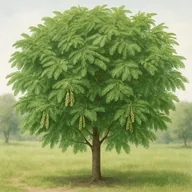
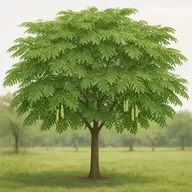
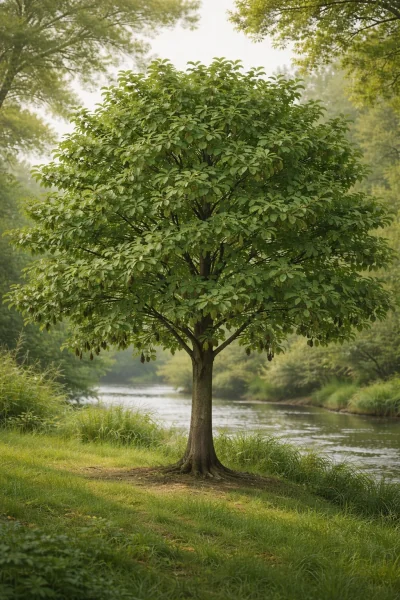
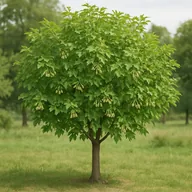
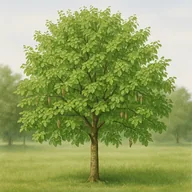
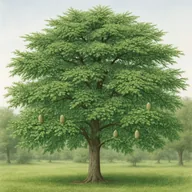
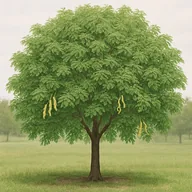
Plant sweet chestnut bare-root from November to March, in well-drained acid to neutral soil — only if you have space, because mature trees reach 20–30 m and live 500+ years. Sweet chestnut is hardy (RHS H6) and well-naturalised in the UK (Roman introduction rather than true native), thriving on sandy or loamy soils but failing on chalk and shallow soils. Plant two different varieties for cross-pollination — sweet chestnut is mostly self-incompatible, and the wind-pollinated catkin pollen needs a different cultivar within range. The edible nuts ripen in October, encased in fiercely spiny green burrs that split open to reveal 2–3 glossy mahogany-brown nuts. Don't confuse with horse chestnut (Aesculus hippocastanum, the conker tree) — horse chestnut nuts are not edible. Roast over an open fire in late autumn, or stuff into the Christmas turkey.
View full growing guide →