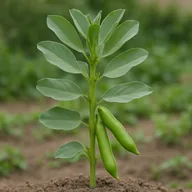
Aubergine / eggplant
Aubergine / eggplant
Solanum melongena
📋Quick Facts
Height
0.8-1.0m
Spread
0.5-0.6m
Water
💧💧 Average watering
Hardiness
Zone 9-12
About
Sow aubergine seed indoors from late February to mid-March in a heated propagator. Aubergines are frost-tender (RHS H1c) and want consistent warmth above 18°C to flower and fruit — a greenhouse, polytunnel or conservatory is essential for reliable UK cropping. Choose F1 hybrids bred for cooler climates: Moneymaker (the UK classic), Bonica F1 (early, heavy cropper), Black Beauty (large dark fruit). Pinch out the growing tip at 30 cm to encourage branching. One healthy plant gives 5–8 fruit through July to October. Pick when shiny and firm — overripe fruit goes dull and bitter. Red spider mite is the main problem under glass; high humidity and weekly inspection are the defence. Don't try outdoors in UK except a hot sheltered south coast.
How to grow aubergine / eggplant
- 1
Sow indoors with bottom heat
Late February to mid-March in a heated propagator at 21–25°C. Aubergines need 22–26 weeks from sowing to first ripe fruit; an early start is essential. Sow 2 seeds per 9 cm pot, 5 mm deep; thin to the strongest after germination.
- 2
Choose UK-suited F1 hybrids
Moneymaker (the long-running UK classic, reliable), Bonica F1 (early, heavy cropper), Black Beauty (large dark glossy fruit), Pinstripe (slim purple-and-white striped, ornamental as well as edible). Skip heritage cultivars from warmer climates.
- 3
Pot on as they grow
9 cm → 1-litre → 5-litre or 7.5-litre final pot. Move on as soon as roots fill each container; aubergines check growth badly if root-bound. Pot on into rich peat-free compost with added grit for drainage.
- 4
Plant in final position by late May
Greenhouse border, polytunnel, or in 7.5-litre containers in the warmest greenhouse spot. Outdoor only in southern England in a south-facing sheltered position from June. Stake plants — they grow heavy and can topple.
- 5
Pinch out for branching
At 30 cm, pinch out the growing tip to force side branches. After fruit starts to set, limit each plant to 4–6 developing fruit; remove later flowers to concentrate the plant's energy.
- 6
Feed and water
High-potash weekly liquid feed from first flowers. Consistent watering — aubergines drop flowers under water stress. Mulch the soil surface to hold moisture. Spray foliage with water on hot days to discourage red spider mite.
- 7
Watch for red spider mite
The main greenhouse aubergine pest. Tiny mites suck sap; leaves go mottled then bronzed. Misting daily, ventilating well, and biological control (introduce Phytoseiulus persimilis) all help. Hot dry conditions encourage the mite; humidity discourages it.
- 8
Pick when shiny and firm
Fruit is ready when it reaches full colour, shiny skin, and firm flesh. Press gently — slight give is right; firm but yielding. Overripe fruit goes dull-skinned, soft, and bitter; under-ripe is hard and tasteless. Cut fruit off with secateurs leaving 2 cm of stem.
Common questions
Pest Resilience
Red spider mite, whitefly, and aphids under glass; flea beetle outdoors. Needs vigilance.
Companion Planting
Visual Characteristics
Fruits
Harvest: Summer to autumn / fall
Culinary
Moussaka, baba ganoush, ratatouille, parmigiana, curries, stir-fries, grilling
The aubergine / eggplant year in your garden
How to Propagate
This plant produces viable seeds for propagation
Hardiness Zones
USDA 10–11 equivalent