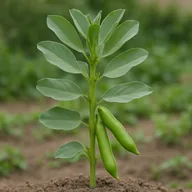
Celery
Celery
Apium graveolens var. dulce
📋Quick Facts
Height
0.5-0.6m
Spread
0.2-0.3m
Water
💧💧 Average watering
Hardiness
Zone 3-6
About
Sow celery seed indoors from February to April at 18°C; plant out from late May after the last frost. Celery is half-hardy (RHS H3–H4) and demanding — it needs constantly moist, rich soil, full sun for half the day, and protection from slugs. Two main types: self-blanching (Galaxy, Loretta) which need no earthing-up and crop summer to autumn, and trenching (Solid White, Giant Pink) which require deep planting and earthing-up but give classic long white stems for autumn–winter cropping. Bolting in heat above 25°C ruins the crop, so choose bolt-resistant cultivars and water deeply through summer. Pick whole heads when the stems are firm and full-sized; trenching types stand into November with frost protection.
How to grow celery
- 1
Choose self-blanching or trenching
Self-blanching (Galaxy, Loretta, Lathom Self-Blanching): no earthing-up needed, crop July–October, plant in close blocks to shade each other. Easier for first-time growers. Trenching (Solid White, Giant Pink, Solid Pink): plant in a trench and earth up through summer for blanched white stems; classic flavour and texture; crops September–November.
- 2
Sow indoors with bottom heat
February to April at 18°C in modules or seed trays. Surface sow (don't cover — celery needs light to germinate); mist regularly. Germination is slow (2–3 weeks) and patchy.
- 3
Prick out into 9 cm pots
When seedlings have two true leaves, prick out into individual 9 cm pots. Keep above 15°C minimum; cool temperatures (below 10°C) at this stage cause bolting later.
- 4
Harden off and plant out
After the last frost (late May south, early June north). 7–10 days of hardening off. Plant 25–30 cm apart for self-blanching blocks; for trenching types, plant 30 cm apart in a trench 30 cm deep.
- 5
Water consistently and heavily
Celery is a swamp plant by ancestry — it wants constant moisture. Water deeply twice a week through summer; mulch heavily. Drought stress is the most common cause of stringy, bitter, bolted celery.
- 6
Feed every 2 weeks
A liquid feed (balanced or slightly nitrogen-rich) every 2 weeks. Celery is a heavy feeder and won't make full-size stems on poor soil.
- 7
Earth up trenching types
For trenching cultivars, draw soil up around the stems from August onwards as they grow. By September, only the top 10 cm of leaves should show. The covered stems blanch white, becoming tender and sweet. Self-blanching types skip this step.
- 8
Protect from slugs
Slugs love celery seedlings. Apply nematodes before planting out; beer traps near the bed; hand-pick at dusk. Once stems are 30 cm tall, slug pressure drops.
- 9
Harvest before frost
Pick whole heads from late July (self-blanching) or September (trenching). Cut the entire plant at ground level; the stub doesn't resprout. Trenching celery stands through mild autumn frosts under fleece; self-blanching is killed by the first frost.
Common questions
Pest Resilience
Celery leaf miner and slugs are the main pests; leaf spot in wet weather.
Visual Characteristics
Fruits
Harvest: Summer to autumn / fall
Culinary
Soups, stir-fries, salads, Bloody Mary, braised, stuffing, stocks
The celery year in your garden
How to Propagate
Hardiness Zones
USDA 8–9 equivalent