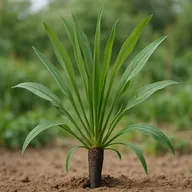
Spring onion / scallion
Spring onion / scallion
Allium fistulosum
📋Quick Facts
Height
0.3-0.4m
Spread
0.1-0.1m
Water
💧💧💧 Frequent watering
Hardiness
Zone 6-9
About
Sow spring onion seed direct from March to September, every 3 weeks, in sun in any decent garden soil — they're one of the easiest UK kitchen-garden crops and a steady supply takes minimal effort. Spring onions are hardy (RHS H4–H5) and a late-summer or early-autumn sowing overwinters to give the earliest fresh onion of the year in March–April. White Lisbon is the UK workhorse — reliable, mild, classic. White Lisbon Winter Hardy is the autumn-sowing variant for overwintering. Pull when stems are pencil-thick (15–20 cm tall) — leaving longer makes them tough. Successional sowing every 3 weeks is the only way to keep tender spring onions coming all season. They're useful companion plants for carrots — the onion scent confuses carrot fly.
How to grow spring onion / scallion
- 1
Pick the right variety for the season
White Lisbon: the UK standard — pencil-thin stems, mild flavour, fast-growing, the choice for spring–summer sowing. White Lisbon Winter Hardy: bred for autumn sowing and overwintering — sow August–September, pull March–April for the earliest fresh onions of the year. Red Beard / Apache: red-skinned, ornamental and tasty in salads. Welsh onion (A. fistulosum — true bunching onion, perennial): forms clumps that divide year after year; pull a few stems at a time, the clump regrows.
- 2
Sow direct, in a sunny spot
Spring onions don't transplant well (small fragile roots). Sow direct in shallow drills 1 cm deep, 15 cm between rows. Thin sowing — aim for seeds 1–2 cm apart along the drill. Germination in 14–21 days at 10–15°C. Sunny position, ordinary garden soil — no need for special preparation.
- 3
Sow successionally every 3 weeks
The key to continuous spring onions. Sow a fresh short row every 3 weeks from mid-March until mid-September. Each row is ready 8–10 weeks after sowing. Skip the very hot midsummer weeks if your garden gets dry — heat-stressed spring onions bolt to flower rather than producing usable stems.
- 4
Sow in August for overwintering
The most useful sowing window for early-spring picking. Sow White Lisbon Winter Hardy (or similar hardy variety) in late August. The seedlings overwinter as small plants (covered by snow if necessary — they're fine), then resume growth from early March and are pullable from late March onwards. Earliest fresh onions of the year, when little else is yet usable.
- 5
Thin to 2–3 cm apart
Once seedlings have 3–4 leaves, thin to one plant every 2–3 cm. Don't pull thinnings — eat them (baby spring onions, salad-tender, perfect for garnishing). The remaining plants will grow to full size with proper spacing.
- 6
Water in dry spells
Spring onions bolt to flower and turn bitter in drought. Water deeply weekly in dry weather to keep stems tender. Mulch with fine compost along the row to conserve moisture. Pot-grown spring onions need daily watering once growing strongly.
- 7
Pull when pencil-thick
Pull (don't cut) when stems are 15–20 cm tall and pencil-thick — typically 8–10 weeks from sowing. Slip a fork under the row to loosen the soil before pulling — saves snapping off stems. Use within 3–4 days — spring onions wilt fast. Trim the roots and the very top of the green leaves; the whole rest of the plant is edible.
- 8
Companion plant with carrots
The classic UK companion: alternate spring onion rows with carrot rows. The onion scent confuses carrot root fly (which detects carrots by smell), giving significant pest reduction without chemicals. Plant 1 row of spring onions between every 2 rows of carrots. Don't plant near peas or beans — alliums slow legume growth.
Common questions
Pest Resilience
Allium chemistry deters most pests; onion thrips occasionally.
Visual Characteristics
Fruits
Harvest: Spring to autumn / fall
Culinary
Salads, stir-fries, garnish, grilled, soups, omelettes, noodle dishes
The spring onion / scallion year in your garden
How to Propagate
Hardiness Zones
USDA 6 equivalent