Swede / rutabaga
Swede / rutabaga
Brassica napus subsp. rapifera
📋Quick Facts
Height
0.4-0.5m
Spread
0.3-0.3m
Water
💧💧 Average watering
Hardiness
Zone 2-11
About
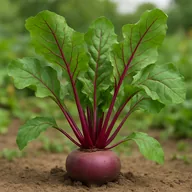
Sow swede seed direct from May to early June for autumn–winter harvest. Swede is very hardy (RHS H6) and the orange-fleshed staple of Scottish neeps and tatties — slower-growing than turnip, hardier, and bigger-rooted. Sow thinly in deep stone-free soil; thin to 30 cm apart. Watch for flea beetle on young leaves (fleece protection or a slightly later sowing dodges the worst). Lift from late October onwards; frost actually improves the flavour. Most allotment growers lift in November and store in damp sand for winter; in milder gardens swedes can be left in the ground under straw mulch and pulled as needed. Marian (the UK standard) and Brora (newer, club-root resistant) are the reliable choices.
How to grow swede / rutabaga
- 1
Sow direct
May to early June. Don't sow earlier — May-sown swedes outgrow flea beetle damage faster than April sowings. 1 cm deep drill, sow thinly, cover lightly.
- 2
Prepare deep firm soil
Full sun, firm fertile soil, slightly alkaline (lime if below pH 6.5). Fork in compost from the previous autumn; don't add fresh manure (it makes the roots fork). Stone-free deep tilth gives the cleanest roots.
- 3
Thin to 30 cm
When seedlings have 4 true leaves, thin to 30 cm apart in rows 45 cm apart. Eat the thinnings — small swede leaves are excellent as greens.
- 4
Protect young leaves from flea beetle
Cover with fleece or enviromesh from sowing through the first 4–5 weeks. Adult flea beetles pock-mark young leaves; established plants outgrow the damage.
- 5
Water through dry spells
Swedes need consistent moisture for the first 6 weeks. Drought makes them woody and split. Water deeply once a week if no rain; mulch with grass clippings or straw.
- 6
Watch for club root
Soil-borne disease (Plasmodiophora brassicae) that distorts roots and stunts growth. Once present, almost impossible to eradicate. Lime the bed to pH 7+ before planting; raise seedlings in modules so they have strong root systems before transplanting; consider club-root-resistant cultivars (Invitation F1) for severely-affected beds.
- 7
Lift after first frosts
From late October. Frost converts starches to sugars and improves the flavour dramatically. Lift gently with a fork; trim tops 2 cm above the root; brush off loose soil. Don't wash.
- 8
Store or leave in ground
Store: layer roots in damp sand in a wooden box in a frost-free shed. Keep until March. Leave in ground: in milder gardens (southern England, mild south-coast), swedes hold in the ground under straw mulch and you pull as needed. In cold gardens lift before deep frost.
Common questions
Pest Resilience
Flea beetle, cabbage caterpillars, and clubroot; same brassica pest profile.
Companion Planting
Visual Characteristics
Fruits
Harvest: Autumn / fall to winter
Culinary
Mashed, roasted, stews, soups, gratin, chips, haggis accompaniment
The swede / rutabaga year in your garden
How to Propagate
This plant produces viable seeds for propagation
Hardiness Zones
USDA 5–6 equivalent