Turnip
Turnip
Brassica rapa subsp. rapa
📋Quick Facts
Height
0.3-0.4m
Spread
0.2-0.3m
Water
💧💧 Average watering
Hardiness
Zone 2-11
About
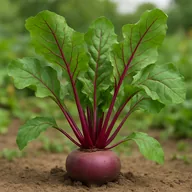
Sow turnip seed direct from March to August in successional batches every three weeks. Turnips are hardy (RHS H5–H6) and one of the quickest UK vegetables — early varieties (Snowball, Tokyo Cross) crop in 6–8 weeks; main-crop types (Golden Ball, Manchester Market) take 10–12 weeks and store through winter. Pull young (golf-ball sized) for the best flavour; older turnips get coarse and woody. Different species from swede (Brassica napus) despite the kitchen overlap. Flea beetle is the main pest on young leaves — fleece protection or a quick crop window dodges the worst of it. Late-summer sowings (July–August) crop into late autumn and store well in damp sand.
How to grow turnip
- 1
Sow direct
March to August in successional batches every 3 weeks. 1 cm deep drill, sow thinly, cover lightly. Early sowings (March) under cloches; April onwards direct. Turnips germinate fast — 7–14 days.
- 2
Thin to 15 cm
When seedlings have 2 true leaves, thin to 15 cm apart. Eat the thinnings (turnip tops are like spring greens).
- 3
Protect young leaves from flea beetle
Tiny black beetles that pock-mark young brassica leaves. Apply enviromesh or fleece from sowing through the first 4 weeks; the plants then outgrow the damage. Yellow sticky traps catch a useful number.
- 4
Water consistently
Turnips bolt or go woody in drought. Water deeply once a week in dry spells; mulch with grass clippings to hold moisture.
- 5
Pull young for tender roots
Pull when roots are golf-ball sized (5–7 cm across) for the best flavour. Larger roots get coarse, fibrous, and bitter. The early varieties (Snowball, Purple Top Milan, Tokyo Cross) are designed to be eaten small.
- 6
Sow main-crop for storage
For winter storage, sow July to early August. These take longer to mature (10–12 weeks) and store well. Lift before the first hard frost; cut tops 2 cm above the root; store in damp sand in a frost-free shed.
- 7
Don't confuse with swede
Turnip (Brassica rapa) and swede (Brassica napus) are different species despite similar appearance and use. Swede is hardier (H6), slower-growing, and the orange-fleshed root of neeps. Different sowing schedule too — see the separate swede content.
Common questions
Pest Resilience
Flea beetle, cabbage caterpillars, and clubroot; same brassica pest profile as swede.
Companion Planting
Visual Characteristics
Fruits
Harvest: Summer to autumn / fall
Culinary
Roasted, mashed, stews, pickled, gratin, soups, glazed, turnip greens
The turnip year in your garden
How to Propagate
This plant produces viable seeds for propagation
Hardiness Zones
USDA 6 equivalent