Mustard greens
Mustard greens
Brassica juncea
📋Quick Facts
Height
0.4m
Water
💧💧 Average watering
Hardiness
Zone 2-11
About
Sow mustard greens direct from March to October, in sun or part shade in moist soil — they're fast-growing cool-season leaf brassicas with a strong peppery hot mustard flavour, used in stir-fries, salads (very young leaves), pickling, and the classic Asian condiment. Mustard greens are hardy (RHS H4–H5) and at their best in cool weather; midsummer sowings bolt to flower quickly. Red Giant (large burgundy-red leaves, hot wasabi-like flavour) and Green-in-Snow (very hardy, mild–medium heat) are the popular UK varieties. Pick young leaves for salads (mild peppery), older leaves for cooking (much hotter — cooks down to a milder kick). Cooks down dramatically — a bowl of mustard greens reduces to a few tablespoons. Sow under cover in September for winter cropping through to March.
How to grow mustard greens
- 1
Pick variety by heat level and use
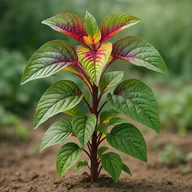
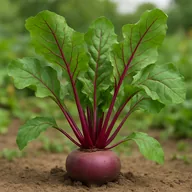
Red Giant: large burgundy-red savoyed leaves, very hot wasabi-like flavour, the showy choice. Strong enough that even cooked it retains a kick. Looks dramatic in ornamental kitchen gardens. Green-in-Snow: very hardy, mid-green leaves, mild-to-medium peppery flavour — the choice for cooking and for milder eaters. Survives harder winters under cover. Wasabi mustard: intensely hot, more punchy than Red Giant, mostly used as a condiment or in sushi. Golden Frills: feathery yellow-green leaves, mild — closer to mizuna in style. For a first crop: Red Giant for visual drama and proper mustard heat.
- 2
Sow direct, March to October
Cool-season crop. Spring sowings (March–May) crop until June bolt. Autumn sowings (August–October) crop into winter, especially under cover. Skip the hot midsummer (June–early August) — mustard greens bolt immediately in heat. Sow in shallow drills 1 cm deep, 25 cm between rows. Germination in 5–10 days at 15°C.
- 3
Thin to spacing matching use
For cut-and-come-again salads: thin to 5 cm. For full mature plants (for stir-fries or pickling): thin to 25–30 cm. Mature plants reach 30–40 cm tall and can mass-crop in autumn — a single Red Giant plant produces a bowlful of leaves at maturity.
- 4
Sow under cover in September for winter cropping
The most useful UK growing window. A September sowing under a cloche, low polytunnel, or cold frame establishes before frosts and crops from October through to March. Green-in-Snow is the variety bred specifically for this — the name reflects its winter hardiness. Outdoor September sowings crop until first hard frost, then survive but stop growing until spring.
- 5
Pick young for salads, older for cooking
Young leaves (10–15 cm) have a mild peppery flavour suitable for mixed salads in small quantities — mustard greens are too hot on their own for most fresh salads. Mature leaves (20–30 cm) are too hot raw but cook beautifully — stir-fried, braised, in noodle soups, in dumplings. Cooking reduces the heat dramatically; even very hot raw leaves cook down to a milder kick.
- 6
Watch for flea beetle, slugs, and cabbage white
Flea beetle: pinprick shot-hole damage in summer; cover with fine mesh or sow under cover. Slugs: love mustard greens like all brassicas; apply wool pellets and nematodes. Cabbage white butterfly: caterpillars on summer plants; cover with insect mesh from sowing in April–August. The pest problems are the main reason autumn–winter undercover is the safest mustard-green growing window.
- 7
Cook them, don't just salad them
The biggest mustard-greens insight for UK home cooks. Raw, the leaves are too hot for most fresh salads (just a few finely sliced young leaves in a mixed bowl). Cooked, they're transformed: stir-fry with garlic and ginger for 2 minutes; add to ramen and noodle soups; braise with chilli and soy; pickle young leaves Korean-style. The classic Indian dish saag uses mustard greens (sarson ka saag) — far more authentic than spinach.
- 8
Save seed for mustard condiment
Let one plant flower and set seed (yellow umbel flowers, then seed pods). Harvest seed pods as they brown but before they shatter (August onwards), hang upside-down in paper bags for 2 weeks, sieve out seed. Make English mustard: grind seeds, mix with water, leave 10 minutes for the enzymes to activate, season. Make brown mustard: similar but uses the brown seeds without grinding finely.
Common questions
Pest Resilience
Flea beetle and caterpillars can be issues; fast-growing so often harvested before damage.
Companion Planting
Visual Characteristics
Fruits
Harvest: Spring to autumn / fall
Culinary
Stir-fries, soups, sautéed, salads, pasta, Indian saag, braised
The mustard greens year in your garden
How to Propagate
This plant produces viable seeds for propagation
Hardiness Zones
USDA 7–8 equivalent