Passionflower (Passiflora caerulea)
Passionflower (Passiflora caerulea)
Passiflora caerulea
📋Quick Facts
Height
5.3m
Water
💧💧 Average watering
Hardiness
Zone 7-9
Cropping Timeline
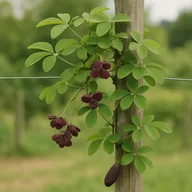
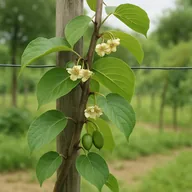
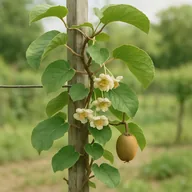
Passiflora caerulea is the hardiest passionflower and will survive outdoors in milder parts of the UK and Ireland, though it fruits much more reliably against a warm, sunny wall. The orange egg-shaped fruits appear after the spectacular flowers and are technically edible but bland compared to the tropical passionfruit (P. edulis). A young plant from a nursery can flower and fruit in its second year. In cooler climates, treat the fruit as a bonus rather than the main attraction — the flowers are the real star.
About
Beautiful climber with striking flowers; good for wildlife and light summer shade.
Pest Resilience
Very few pest problems; a tough ornamental climber.
Visual Characteristics
Fruits
Harvest: Late summer to autumn / fall
Culinary
Fresh eating, juicing, syrups, cocktails, jams, baking
The passionflower (passiflora caerulea) year in your garden
How to Propagate
This plant produces viable seeds for propagation
Hardiness Zones
USDA 8 equivalent