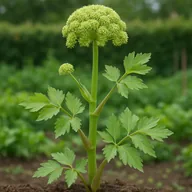
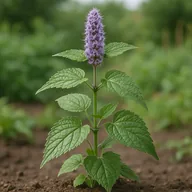
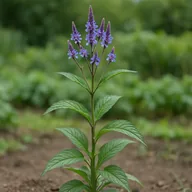
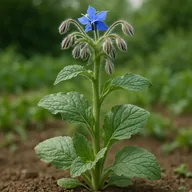
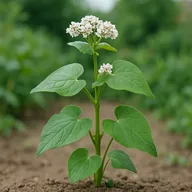
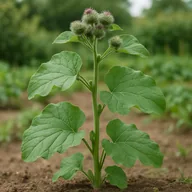
Common thyme
Common thyme
Thymus vulgaris
📋Quick Facts
Height
0.3-0.5m
Spread
0.3-0.5m
Water
💧 Minimal watering
Hardiness
Zone 5-9
About
Plant thyme in spring or autumn as a young plant; seed is possible but slow and unreliable. Thyme is hardy (RHS H5) and shrugs off UK winters as long as it has drainage — like rosemary, the killer is cold wet roots, not cold itself. Plant in full sun, ideally between paving slabs or in a raised bed of gritty soil. Common thyme (Thymus vulgaris) is the kitchen standard; lemon thyme adds citrus to chicken and fish; creeping thyme makes edible carpets between paving. Pick sprigs year-round; the flavour is strongest just before flowering in May–June. Cut back lightly after flowering to keep the plant compact. Slugs love young plants — protect for the first season; established thyme is robust.
How to grow common thyme
- 1
Buy young plants
Thyme seed germinates slowly and the seedlings are easy to lose. Buy young plants in 9 cm pots — much faster, and you can see what variety you're getting.
- 2
Choose a hot dry spot
Full sun, well-drained soil. Mediterranean herbs hate UK clay in winter. Raised beds, gravel paths, dry-stone walls, between paving slabs — anywhere drainage is sharp.
- 3
Plant out
March–April or September–October. Dig in grit if the bed is heavy. Space 30 cm apart for common thyme; 15 cm for creeping types. Water in well.
- 4
Protect young plants from slugs
Thyme is slug-vulnerable in its first season. Apply nematodes, copper rings, or hand-pick at dusk. Established plants are too woody for slug damage.
- 5
Pick year-round
Cut sprigs whenever you cook with it. Pick more heavily in May–June (just before flowering) when the oils are strongest. Avoid heavy picking in mid-winter.
- 6
Cut back after flowering
Shear lightly after flowering (late June–July) to keep the plant compact and force fresh growth. Don't cut into old bare wood; thyme regrows from it but slowly.
- 7
Replace every 4–5 years
Common thyme gets woody and unproductive after 4–5 years. Take cuttings or layer low branches in summer to have replacements ready.
Common questions
Pest Resilience
Aromatic oils deter most pests; virtually trouble-free.
Visual Characteristics
Fruits
Harvest: Spring to autumn / fall
Culinary
Roast chicken, stews, soups, herb butter, bouquet garni, marinades
The common thyme year in your garden
How to Propagate
This plant produces viable seeds for propagation
Hardiness Zones
USDA 6 equivalent