Black Lace elder (edible)
Black Lace elder (edible)
Sambucus nigra
📋Quick Facts
Height
3.0-4.0m
Spread
2.5-3.5m
Care Level
👍 Moderate
Some experience helpful
Water
💧💧💧 Frequent watering
Every "7-10" days
Hardiness
Zone 5-8
Cropping Timeline
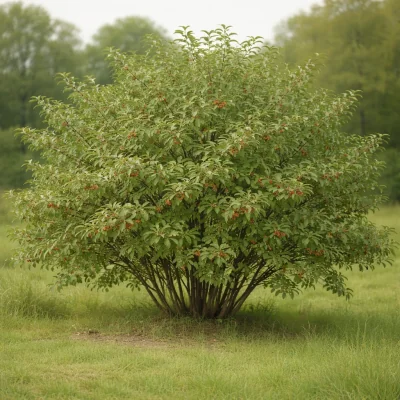
Black Lace elder is primarily grown for its dramatic dark foliage and pink flowers, but it produces perfectly usable berries for cordial, wine, and preserves — the same as common elder. Expect flowers and berries from the second year onwards. Do not eat the berries raw as they need cooking to break down mildly toxic compounds. The flowers are safe to use fresh for cordials and fritters.
About
Decorative purple-leaf elder with edible flowers and berries.
Pest Resilience
Very few pests; elder aphid may cluster on shoots but rarely causes lasting damage.
Visual Characteristics
Flowers
Blooms in Summer
Fruits
Harvest: Late summer to autumn / fall
Culinary
Elderflower cordial, elderflower champagne, fritters, syrups, elderberry jelly, elderberry wine, infused vinegar
The black lace elder (edible) year in your garden
How to Propagate
This plant produces viable seeds for propagation
🦋Wildlife & Garden Ecology
Great for supporting local pollinators and wildlife
Monitor for these pests and treat early if spotted
Hardiness Zones
USDA 4–5 equivalent