Cherry (sour)
Cherry (sour)
Prunus cerasus
📋Quick Facts
Height
3.5-4.5m
Spread
3.5-4.5m
Care Level
👍 Moderate
Some experience helpful
Water
💧💧 Average watering
Every "7-10" days
Hardiness
Zone 6-8
Cropping Timeline
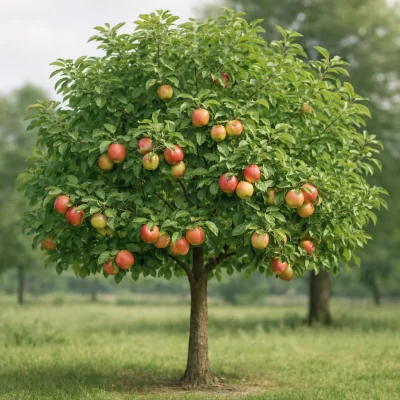
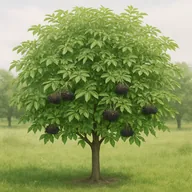
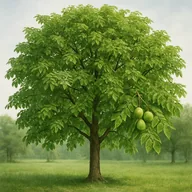
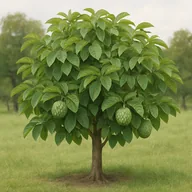
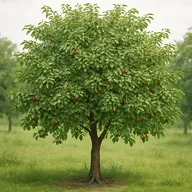
Sour cherries are wonderfully obliging — most grafted trees on Gisela or Colt rootstock produce their first crop within three years. Unlike sweet cherries, they are reliably self-fertile so a single tree will crop well. They also tolerate a north-facing wall, which is unusual for fruit trees. Morello types are especially easy-going. The fruit is too tart for fresh eating but makes the finest cherry pie and preserves you will ever taste.
About
Tart cherries ideal for cooking and preserving; more reliable than sweet types.
Pest Resilience
Black cherry aphid and bacterial canker are the main risks; birds will take fruit.
Companion Planting
Visual Characteristics
Flowers
Blooms in Spring
Fruits
Harvest: Summer
The cherry (sour) year in your garden
How to Propagate
This plant produces viable seeds for propagation
🦋Wildlife & Garden Ecology
Great for supporting local pollinators and wildlife
Monitor for these pests and treat early if spotted
Hardiness Zones
USDA 5 equivalent