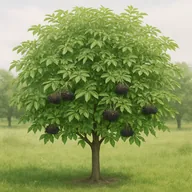
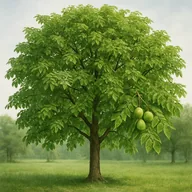
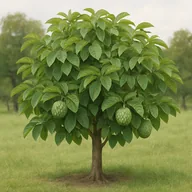
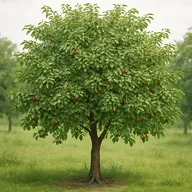
Fig
Fig
Ficus carica
📋Quick Facts
Height
3.5-5.0m
Spread
4.0-6.0m
Growth
🐢 Slow
Takes time to establish
Care Level
👍 Moderate
Some experience helpful
Water
💧 Minimal watering
Every "7-10" days
Hardiness
Zone 7
Cropping Timeline
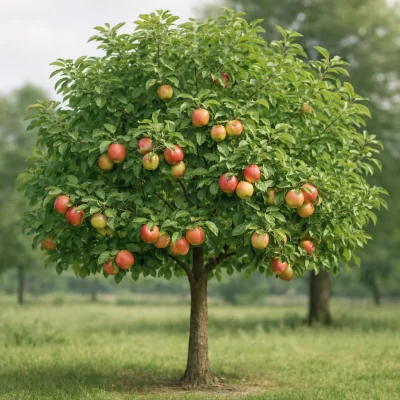
Figs are among the quickest fruit trees to crop — a well-placed tree against a sunny wall can fruit in its second or third year. Restricting the roots is the key to good fruiting: dig a 60cm square pit lined with paving slabs or sink a large container into the ground, which forces the tree to put energy into fruit rather than excessive leafy growth. In cooler climates, the embryo figs formed in autumn overwinter and ripen the following summer. Figs are self-fertile, so a single tree is all you need.
About
Mediterranean fruit tree well suited to containers and warm walls.
Pest Resilience
Generally pest-free outdoors; red spider mite can appear under glass.
Visual Characteristics
Flowers
Blooms in Spring
Fruits
Harvest: Autumn / fall
Culinary
Fresh eating, roasting with honey, preserves, charcuterie boards, baking, drying
The fig year in your garden
How to Propagate
This plant produces viable seeds for propagation
🦋Wildlife & Garden Ecology
Monitor for these pests and treat early if spotted
Hardiness Zones
USDA 8 equivalent