Loquat
Loquat
Eriobotrya japonica
📋Quick Facts
Height
5.0-8.0m
Spread
4.0-6.0m
Growth
🚀 Fast
Grows quickly, needs regular attention
Care Level
👍 Moderate
Some experience helpful
Water
💧 Minimal watering
Every "7-10" days
Hardiness
Zone 7
Cropping Timeline
Grafted loquats can surprise you with fruit as early as their third year. Uniquely among fruit trees, loquats flower in autumn and ripen their fruit in late winter or early spring, so frost is the main enemy of the crop rather than the tree itself. The large, tropical-looking evergreen leaves make it an attractive ornamental even if it never fruits. In cooler climates, grow against a warm south-facing wall. Self-fertile, but cross-pollination improves fruit set. The sweet, apricot-like fruit is a genuine treat.
About
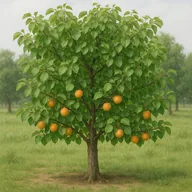
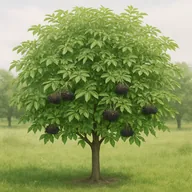
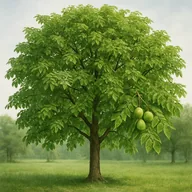
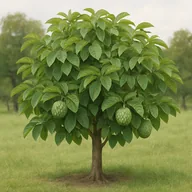
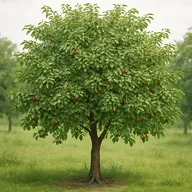
Evergreen fruit tree yielding clusters of fragrant yellow fruits.
Pest Resilience
Few pest problems; fire blight possible but uncommon.
Visual Characteristics
Fruits
Harvest: Autumn / fall
Culinary
Fresh eating, jams, poaching, syrups, salads, chutney
The loquat year in your garden
How to Propagate
This plant produces viable seeds for propagation
Hardiness Zones
USDA 8–9 equivalent