Mayhaw
Mayhaw
Crataegus aestivalis
📋Quick Facts
Height
5.0-8.0m
Spread
4.0-6.0m
Growth
🐢 Slow
Takes time to establish
Care Level
👍 Moderate
Some experience helpful
Water
💧 Minimal watering
Every "7-10" days
Hardiness
Zone 5-7
Cropping Timeline
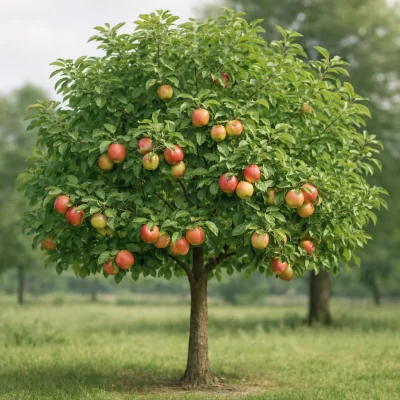
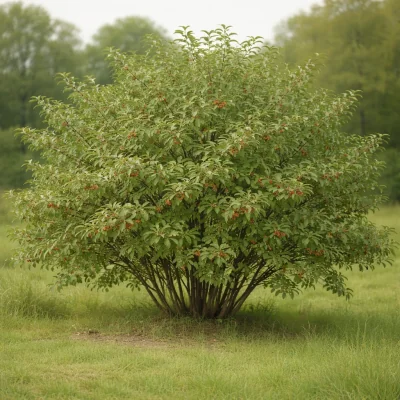
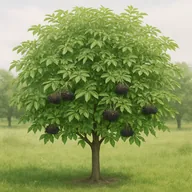
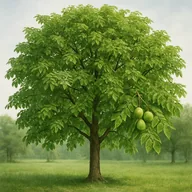
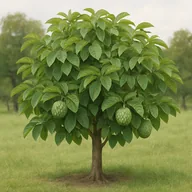
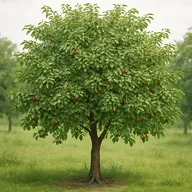
Mayhaw is a native North American hawthorn that produces small, cranberry-like fruit ripening in May — hence the name. Grafted trees begin bearing in their third to fourth year. The fruit is too tart to eat fresh but makes a beautifully coloured, tart jelly that is a traditional Southern delicacy. Mayhaws naturally grow in wet, boggy ground and tolerate poorly drained sites that would kill most fruit trees. Plant two different cultivars for reliable cross-pollination. They are extremely low-maintenance once established and essentially pest-free.
About
Southern USA fruit tree for jellies; tolerates wet soils.
Pest Resilience
Few significant pests; a tough native hawthorn relative.
Visual Characteristics
Flowers
Blooms in Spring
Fruits
Harvest: Spring to summer
The mayhaw year in your garden
How to Propagate
This plant produces viable seeds for propagation
🦋Wildlife & Garden Ecology
Great for supporting local pollinators and wildlife
Hardiness Zones
USDA 6–7 equivalent