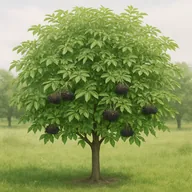
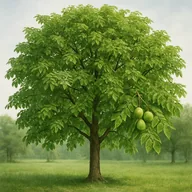
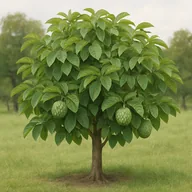
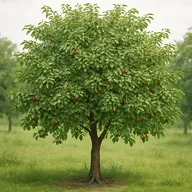
Pawpaw (Asimina triloba)
Pawpaw (Asimina triloba)
Asimina triloba
📋Quick Facts
Height
5.0-8.0m
Spread
3.5-5.0m
Care Level
👍 Moderate
Some experience helpful
Water
💧💧 Average watering
Every "7-10" days
Hardiness
Zone 5
Cropping Timeline
Pawpaw is a fascinating native North American tree with tropical-tasting fruit — like a mango-banana custard — growing in a temperate climate. Grafted trees begin fruiting around year four to five. You will need two genetically different trees for cross-pollination, as individual flowers are not self-compatible. The flowers are pollinated by flies and beetles, not bees, so some growers hang rotting meat near the trees during flowering to attract pollinators. Young trees need shade, but mature trees fruit best in full sun. Worth the wait and the eccentricities.
About
North American custard-fruit tree thriving surprisingly well in temperate climates.
Pest Resilience
Virtually pest-free; few insects bother it thanks to its chemistry.
Visual Characteristics
Flowers
Blooms in Spring
Fruits
Harvest: Autumn / fall
Culinary
Fresh eating, custards, ice cream, pawpaw bread, smoothies, beer brewing, puddings
The pawpaw (asimina triloba) year in your garden
How to Propagate
This plant produces viable seeds for propagation
🦋Wildlife & Garden Ecology
Great for supporting local pollinators and wildlife
Monitor for these pests and treat early if spotted
Hardiness Zones
USDA 6–7 equivalent