Pomegranate
Pomegranate
Punica granatum
📋Quick Facts
Height
3.5-5.0m
Spread
3.0-4.0m
Growth
🐢 Slow
Takes time to establish
Water
💧 Minimal watering
Every "2-3" days
Hardiness
Zone 8-11
Cropping Timeline
Pomegranates grown from cuttings or grafted stock often begin flowering within two to three years and setting fruit shortly after. They need long, hot summers to ripen fruit properly — in cooler climates, grow against the hottest, sunniest wall you have or in a large container that can be moved to a conservatory. Self-fertile, so one plant is sufficient, but a second improves yield. The ornamental scarlet flowers are spectacular even if the fruit does not ripen. Dwarf varieties like Nana are good container plants for conservatories.
About
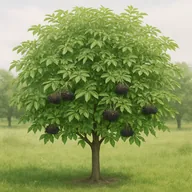
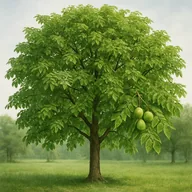
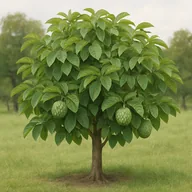
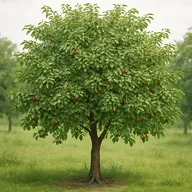
Heat-loving small tree or shrub with ornamental flowers and edible fruit.
Pest Resilience
Few pest problems in cool climates; scale insects possible in warmer areas.
Visual Characteristics
Fruits
Harvest: Autumn / fall
Culinary
Fresh eating, juicing, molasses, salads, garnish, cocktails, Middle Eastern stews
The pomegranate year in your garden
How to Propagate
This plant produces viable seeds for propagation
Hardiness Zones
USDA 8 equivalent