Quince
Quince
Cydonia oblonga
📋Quick Facts
Height
4.0-6.0m
Spread
3.5-5.0m
Care Level
👍 Moderate
Some experience helpful
Water
💧💧 Average watering
Every "7-10" days
Hardiness
Zone 5-8
Cropping Timeline
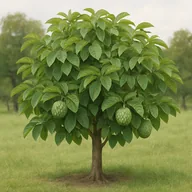
Quinces begin cropping within three to four years and are wonderfully low-maintenance once established. The golden, aromatic fruit cannot be eaten raw (they are hard and astringent) but transform when cooked into a gorgeous pink-orange with a complex, perfumed flavour — membrillo (quince paste) with cheese is a revelation. The blossom is exquisite, soft pink and appearing late enough to mostly avoid frost damage. Self-fertile, tolerant of damp soil, and rarely troubled by pests or diseases. An outstanding tree for the low-effort fruit garden.
About
Highly fragrant fruits used for preserves; attractive blossom and foliage.
Pest Resilience
Codling moth and brown rot can affect fruit; leaf blight occasionally.
Visual Characteristics
Flowers
Blooms in Spring
Fruits
Harvest: Autumn / fall
Culinary
Membrillo paste, jelly, poaching, tagines, roasting with meat, liqueurs
The quince year in your garden
How to Propagate
This plant produces viable seeds for propagation
🦋Wildlife & Garden Ecology
Great for supporting local pollinators and wildlife
Monitor for these pests and treat early if spotted
Hardiness Zones
USDA 6–7 equivalent