Sea buckthorn
Sea buckthorn
Hippophae rhamnoides
📋Quick Facts
Height
3.5-6.0m
Spread
3.0-5.0m
Growth
🚀 Fast
Grows quickly, needs regular attention
Maintenance
Low maintenance
Minimal pruning and care needed
Water
💧💧💧 Frequent watering
Hardiness
Zone 3
Cropping Timeline
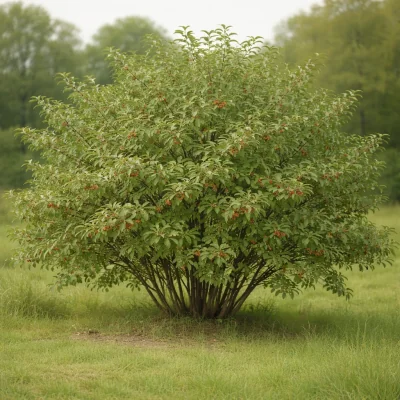
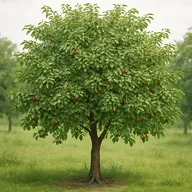
Sea buckthorn starts producing its vivid orange berries within three to four years. It is dioecious, so you need both male and female plants — one male can pollinate up to six females. The thorns are fierce, making harvest tricky; some growers cut whole fruiting branches and freeze them, then shake off the frozen berries. The berries are extraordinarily high in vitamin C and omega fatty acids. The plant thrives in poor, sandy soil and coastal conditions where little else will grow, and it fixes nitrogen. A superb plant for difficult sites.
About
Fixes nitrogen and produces bright orange vitamin-rich berries.
Pest Resilience
Virtually pest-free; nitrogen-fixing and extremely tough.
Visual Characteristics
Culinary
Juicing, syrups, sauces, smoothies, drying, oil extraction
Cones
The sea buckthorn year in your garden
How to Propagate
Hardiness Zones
USDA 4–5 equivalent