Mulberry (white)
Mulberry (white)
Morus alba
📋Quick Facts
Height
8.0-12.0m
Spread
7.0-10.0m
Growth
🚀 Fast
Grows quickly, needs regular attention
Care Level
👍 Moderate
Some experience helpful
Water
💧💧 Average watering
Every "3-4" days
Hardiness
Zone 4-8
Cropping Timeline
White mulberries fruit more quickly than their black cousins, often within three to four years from a grafted plant. The fruit is sweeter and milder than black mulberry, lacking that intense complexity, but still very pleasant fresh or dried. Historically grown to feed silkworms rather than people, which tells you something about the fruit. The tree is vigorous, fast-growing, and self-fertile. Some varieties are nearly seedless. The fruit is less staining than black mulberry, making it a more practical garden choice.
About
Sweet fruits and vigorous growth; leaves used for silkworms.
Pest Resilience
Very few pests; fast-growing and resilient.
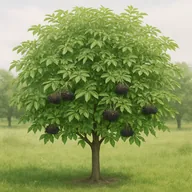
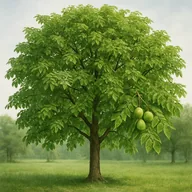
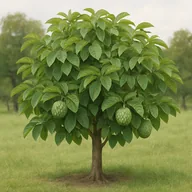
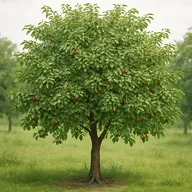
Visual Characteristics
Fruits
Harvest: Summer
Culinary
Fresh eating, drying, syrups, baking, smoothies
The mulberry (white) year in your garden
How to Propagate
This plant produces viable seeds for propagation
Hardiness Zones
USDA 7 equivalent